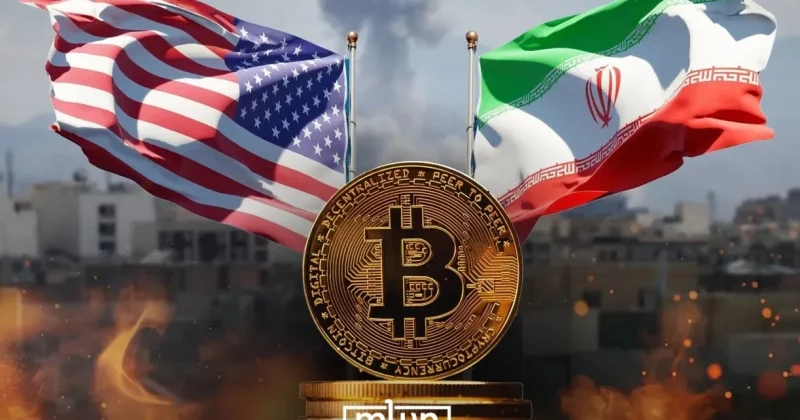
Iran’s foreign ministry is currently evaluating a memorandum of understanding proposed by the United States, marking a significant diplomatic development that has propelled Bitcoin to surpass $82,000 for the first time in three months. This one-page document, containing 14 points, aims to formally resolve the regional conflict that erupted on February 28, 2026. Should the agreement be finalized, it would open a 30-day window for extended negotiations on key geopolitical issues, including navigation rights in the Strait of Hormuz, constraints on Iran’s nuclear enrichment program, and the potential lifting of US sanctions.
Iranian Foreign Ministry spokesperson Esmaeil Baghaei confirmed that Tehran is in the process of evaluating the proposal and anticipates communicating its response through Pakistani intermediaries within a week. On the United States’ end, the negotiations have taken place through both direct and indirect channels, spearheaded by US Special Envoys Steve Witkoff and Jared Kushner. As of May 6, 2026, American officials have exhibited optimism regarding the likelihood of reaching an agreement shortly.
In response, Iran has adopted a cautious approach, expressing a willingness to continue negotiations while also critiquing certain elements of the document as “merely aspirational.” This careful balancing act highlights Tehran’s ongoing commitment to dialogue alongside its wariness about the specifics of the proposal.
The rise in Bitcoin’s value, now exceeding $82,000, is not merely coincidental. Crypto markets have established themselves as a barometer of geopolitical risk appetite. The potential for a US-Iran resolution touches on multiple factors influential to digital asset investors. For instance, the Strait of Hormuz is a crucial corridor for global petroleum transit, accounting for approximately one-fifth of the world’s oil shipments. Conflicts or tensions in this area typically lead to spikes in energy prices, which can in turn fuel inflation and impact monetary policy decisions, subsequently influencing crypto valuations.
Additionally, Iran’s own relationship with cryptocurrency presents another layer of complexity. In 2025, the nation’s crypto ecosystem reportedly achieved an impressive trading volume of $7.8 billion, a noteworthy figure considering the ongoing sanctions and the internal economic challenges facing Tehran.
For investors, Bitcoin’s movement beyond $82,000 implies a growing belief in a peaceful resolution or at least progress in talks. If the MOU is successfully finalized and negotiations advance smoothly, the bullish sentiment across asset classes could further solidify. Conversely, should discussions falter or collapse, the potential for a rapid reversal in market sentiment increases.
Iran’s skepticism regarding specific provisions in the memorandum serves as a cautionary signal. When one party publicly questions the substantive aspects of a proposal prior to its endorsement, it raises the risk of complications arising later on. The one-week window for Iran’s response sets the stage for heightened scrutiny in the near future. Investors will be watching closely not just for Tehran’s acceptance, but also for the framing of their conditions as conveyed through intermediary channels.