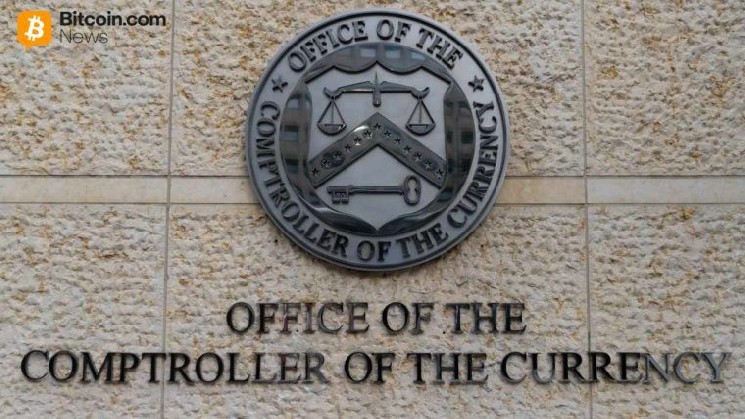
The debate over cryptocurrency custody escalated as U.S. Senator Elizabeth Warren intensified her scrutiny of the Office of the Comptroller of the Currency (OCC) regarding its approval of national trust charters for several prominent digital asset firms, including Coinbase, Ripple, and Bitgo. This scrutiny is part of a wider examination of how cryptocurrencies are regulated and the protections afforded to consumers in this rapidly evolving sector.
Mike Belshe, CEO of Bitgo, took a stand in defense of fiduciary custody models in an open letter, asserting that his company’s approach offers superior consumer protections due to its separation of client property from lending risks. He emphasized that Bitgo does not function as a traditional bank; it does not accept deposits or lend customer assets, and it strictly avoids commingling client property. Instead, Bitgo holds customer assets in segregated accounts designed to be protected from bankruptcy proceedings, a stark contrast to some failed crypto firms that mishandled customer assets and left clients with unsecured claims.
Warren’s inquiry spans several entities, including Ripple National Trust Bank, Paxos Trust Company LLC, and Fidelity Digital Asset Services, among others. Her concern reflects a broader trend in regulatory oversight as the legitimacy of digital asset custody models comes under closer examination.
Belshe challenged the terminology surrounding crypto banks, insisting that the phrase lacks a legal definition and can mislead regarding the statutory functions of these institutions. He underscored the importance of distinguishing between entities that merely hold digital assets in custody and those that take deposits and engage in lending activities. This distinction plays a crucial role in his defense of Bitgo’s national trust charter.
He elaborated that national trust banks already engage with diverse asset classes, including art, jewelry, and digital credentials, fitting digital assets within the same fiduciary framework. Bitgo’s experience extends globally, holding a South Dakota state trust charter since 2018 and maintaining regulatory licenses in various jurisdictions, including New York, Switzerland, and Singapore.
Belshe also addressed specific concerns regarding stablecoin reserves, stating that Bitgo maintains these reserves in full and conducts regular auditor-backed reserve attestations to ensure accountability. He highlighted that this frequency of verification provides stakeholders with more robust confidence than traditional bank Call Reports.
The regulatory obligations that apply to depository banks, such as capital rules and the Community Reinvestment Act, pertain to institutions that borrow and lend, which, Belshe argues, does not apply to Bitgo’s business model focused on fiduciary custody.
In conclusion, Belshe invited Senator Warren to engage directly with Bitgo to discuss their practices and oversight mechanisms, clarifying that the company has consistently sought stronger regulatory frameworks. He reiterated the necessity of establishing clearer definitions to differentiate between fractional reserve banks and those like Bitgo that solely focus on reserve banking.