Argentina has marked a significant milestone in the cryptocurrency landscape with the introduction of its first publicly listed Bitcoin treasury company, Zonda Bitcoin Capital. This company is adopting a strategy that mirrors the approach of MicroStrategy but tailored for the South American market.
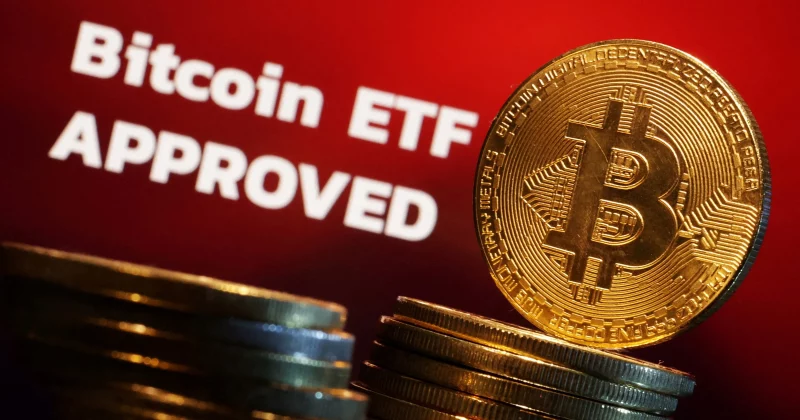
Zonda Bitcoin Capital, which plans to rebrand its stock ticker to ZOND on the Buenos Aires Stock Exchange (BYMA), aims to enhance its Bitcoin exposure primarily through regulated U.S. spot Bitcoin ETFs. The company has selected BlackRock’s iShares Bitcoin Trust (IBIT) as its main vehicle for this venture.
The transformation to Zonda Bitcoin Capital originates from a strategic acquisition. In December 2025, the company took over Hulytego S.A.I.C., subsequently revamping it into a platform for accumulating Bitcoin exposure, thereby aligning its operations with the growing cryptocurrency market. The impending ticker change to ZOND will serve as a public acknowledgment of this significant internal transition.
CEO Leonardo Rubinstein is leading this initiative, emphasizing a systematic accumulation of Bitcoin or Bitcoin ETF holdings per share over time as part of their long-term strategy. Notably, Zonda is not planning to hold Bitcoin directly, which could complicate operations under Argentina’s current tax and regulatory framework. Instead, the focus is on gaining exposure via U.S.-regulated ETF products, allowing the company to navigate the legal landscape more efficiently while still providing the financial benefits sought by shareholders.
The choice of U.S. spot Bitcoin ETFs, which offer institutional-grade custody and regulatory clarity, positions Zonda favorably for attracting both retail and institutional investors within Argentina. By avoiding direct cryptocurrency holdings in its financial statements, Zonda is sidestepping potential complications that may arise from the local regulatory environment.
Zonda’s strategic approach directly draws inspiration from MicroStrategy’s corporate treasury model, which has influenced many global companies to accumulate Bitcoin as a significant asset. While over 100 public entities have incorporated similar strategies, accumulating actual Bitcoin, Zonda’s model sets itself apart by utilizing U.S. ETF exposure within an Argentine equity framework.
For Argentine retail investors, acquiring ZOND shares will be a streamlined process compared to the complexities of opening an international brokerage account and navigating foreign exchange limitations to purchase IBIT directly. The shares will be denominated in Argentine pesos, while the underlying exposure is tied to U.S. dollars, creating a unique dynamic in a country grappling with currency stability issues. This mismatch may either enhance or diminish investment returns, depending on fluctuations in the exchange rate.
However, the structure Zonda has chosen introduces multiple layers of risk for investors. These include potential volatility in the Argentine equity market, the management decisions of the company, regulatory uncertainties concerning the U.S. ETF, and the inherent risk associated with Bitcoin’s price volatility.
Overall, Zonda Bitcoin Capital’s entry into the market exemplifies the evolving landscape of cryptocurrency investment in Argentina and highlights the innovative strategies being adopted in response to local regulatory challenges.