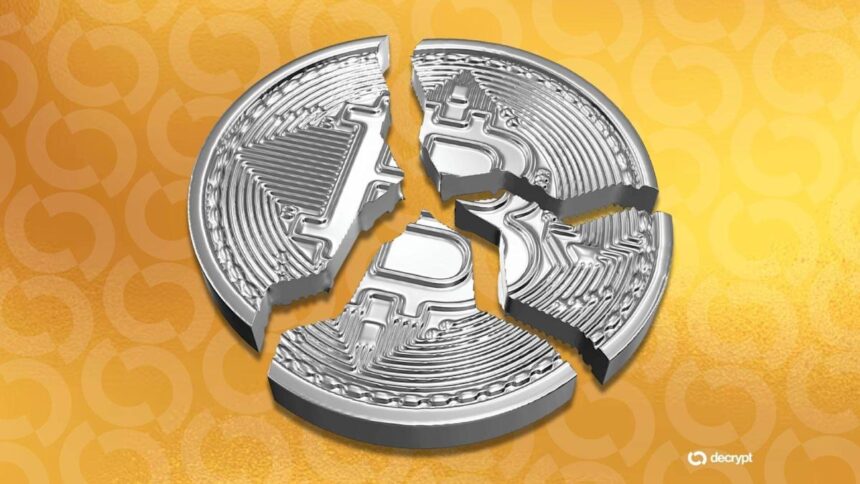
Five Bitcoin addresses recently executed a large transaction, removing 107 Bitcoin, valued at approximately $8.2 million, from circulation on a single day, unleashing a wave of speculation across social media platforms. Observers noted that the Bitcoins were sent to a known burn address, identified by the sequence of numbers and letters, indicating that these funds have been effectively destroyed and can never be retrieved.
The simultaneous timing of the transactions raised eyebrows, leading many onlookers to wonder if they were orchestrated by a single entity or group. Prior to the transactions, the burn address had accumulated a total of 807 Bitcoin, worth around $61 million. Given the nature of Bitcoin’s design, once a transaction is confirmed, it is recorded on a public ledger accessible to anyone, although the identities behind the public keys remain anonymous.
In a post on X, Adam Back, the founder and CEO of Bitcoin infrastructure firm Blockstream, offered an intriguing perspective. He referred to the activities as possibly marking an “accidental quantum bounty,” alluding to the potential vulnerabilities some Bitcoin wallets could face from the emerging threat of quantum computing.
Interestingly, the wallets involved in the transactions were drained completely, and the cost for executing the transfers amounted to a mere $5.56 in fees to permanently eradicate these Bitcoins from circulation. Notably, the addresses involved in this transaction were created as early as 2014, hinting at a long-standing presence in the Bitcoin ecosystem.
While Bitcoin’s value fluctuates, with current trading prices around $76,000—significantly lower than its October 2022 peak of $126,000—the recent loss of these coins might seem trivial in the broader context of market dynamics. When Bitcoin reached its all-time high, the funds removed represented around $13.4 million.
The mystery surrounding these transactions has led to a variety of theories. One commentator suggested that an artificial intelligence chatbot may have mistakenly sent the Bitcoins to the burn address, humorously asserting, “You’re absolutely right. It indeed looks like I sent the Bitcoins to the burn address!” This statement highlights the often-unpredictable nature of cryptocurrency interactions.
Another perspective offered by a developer suggested that the funds may have been sent to the burn address as a precaution against a potential “wrench attack,” where attackers might attempt to coerce individuals into handing over their assets. This theory coincides with the possibility that the transactions included time-based triggers resembling a “dead man’s switch,” which automatically transfers information or digital assets under specific circumstances.
Others entertained the notion that the transactions were simply an error, albeit one that serves to slightly increase Bitcoin’s scarcity, as these funds cannot be accessed by anyone under the current rules of the network. The convergence of these various theories reflects the ongoing complexity and intrigue surrounding Bitcoin, highlighting both the innovation and unpredictability within the realm of cryptocurrency.