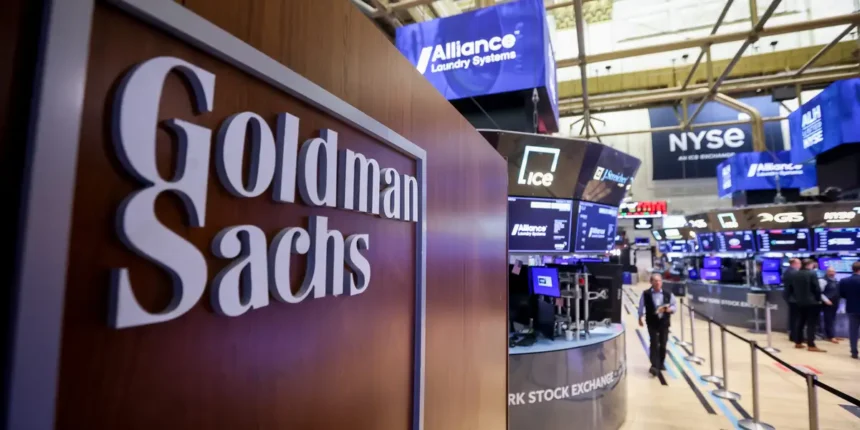
Goldman Sachs has announced an optimistic outlook for the S&P 500, projecting that the index could surge to 8,000 by the end of the year, driven primarily by strong earnings growth. This marks an increase in their price target from the previous forecast of 7,600, indicating an anticipated 6% rise from current levels. The financial institution cites “exceptionally strong” first-quarter results as the foundation for its bullish stance, asserting that earnings growth has significantly contributed to the index’s performance this year.
In a recent report, Ben Snider, Goldman’s chief U.S. equity strategist, highlighted that the S&P 500 has experienced a volatile but predominantly positive year, registering a 9% increase year-to-date. The index recently completed its longest weekly winning streak since early 2023, showcasing a blended earnings growth rate of 28.4% for the first quarter—marking the highest growth in nearly five years. Data from FactSet reveals that 84% of companies reporting first-quarter earnings exceeded earnings expectations, while 81% surpassed revenue forecasts.
Goldman’s analysts project that earnings per share for the S&P 500 could grow by 24% in 2026, with roughly half of that growth anticipated to stem from beneficiaries of the burgeoning artificial intelligence infrastructure. The report notes that near-term earnings growth has played a vital role, contributing about 40% to the total rise of the index over the past two years. Stocks that have performed robustly this year have consistently shown the most favorable earnings revisions.
Despite the widespread optimism reflected in Wall Street’s perspective on the stock market this year, Goldman Sachs highlighted potential challenges ahead. The ongoing conflict in Iran has not deterred investor sentiment, with many still hopeful for a resolution. However, the strategists did caution that several indicators could point to “moderating” returns in the near term. They noted recent gains in momentum and expressed concerns about the market’s historical performance leading into midterm elections, which could introduce increased volatility.
Overall, the prevailing mood among analysts appears to reflect a cautious optimism, centered on solid earnings growth and the ongoing AI boom, while remaining aware of the potential risks that could arise in the months ahead.