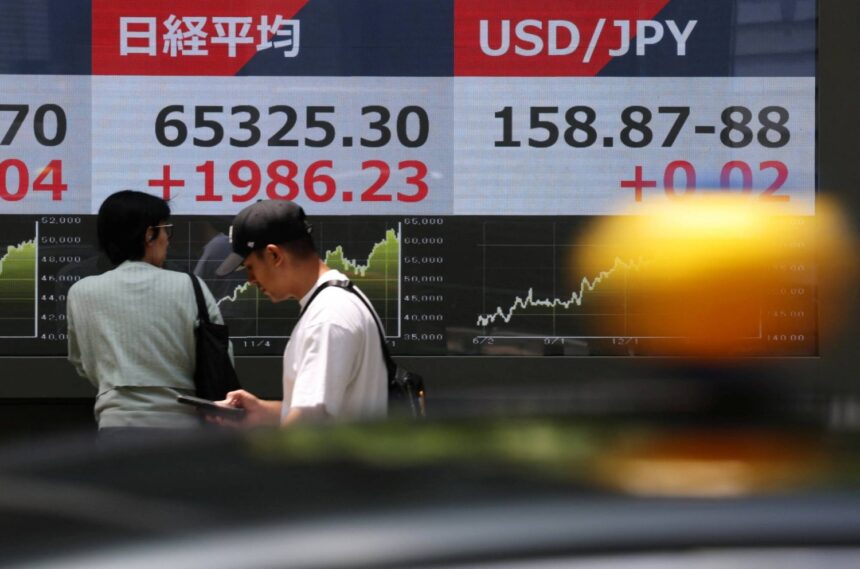
Japan’s Finance Ministry has confirmed that the government has expended almost $74 billion in a vigorous effort to stabilize the yen, which had recently plummeted past the 160 yen per dollar threshold. This marks Japan’s first market intervention since 2024, highlighting the authorities’ commitment to preventing a further decline in the currency.
In the monthly report covering April 28 to May 27, the ministry revealed that total intervention reached ¥11.73 trillion, equivalent to approximately $73.6 billion. This intervention period was characterized by numerous fluctuations in the yen’s value, prompting swift action from the government.
The figures released indicate a decisive approach by Japanese authorities to curb the yen’s depreciation, particularly after it reached an alarming value of ¥160.72 against the dollar. Reports suggest that the initial intervention occurred on April 30, fueling ongoing speculation regarding potential further rounds of currency purchasing in the days that followed.
Market analysts and economists are closely monitoring the situation, as the substantial financial commitment underscores Japan’s resolve to maintain economic stability amid fluctuating currency values. As the yen continues to face pressure, the government’s proactive measures could play a crucial role in shaping foreign exchange dynamics in the coming weeks.