In a significant move, Lee County commissioners are urging state lawmakers to reevaluate a proposed increase to Florida’s homestead tax exemption, which could lead to major financial repercussions for local governments. The proposal, if passed, would elevate the current homestead tax break from $50,000 to an astonishing $250,000.
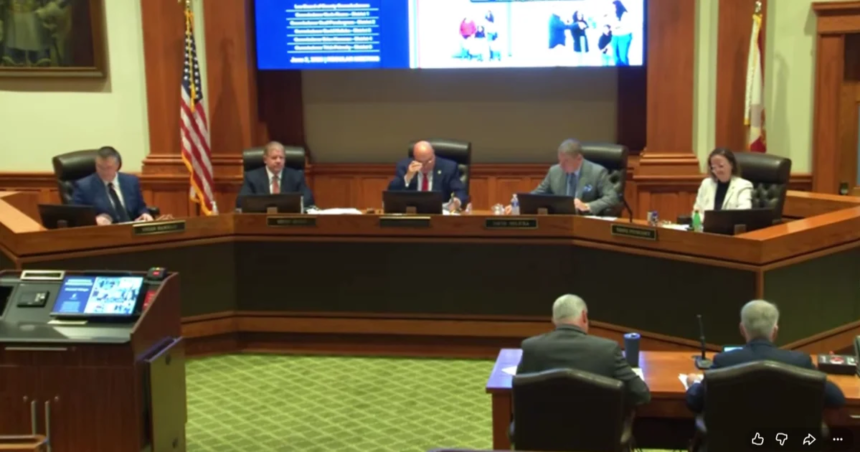
During a recent meeting, the commissioners drafted a letter to the Lee County Legislative Delegation, expressing their concerns about the potential impact of this measure. Commissioner Brian Hamman likened the proposal to a home remodel that removes a load-bearing wall without replacing it, emphasizing the lack of a viable solution to offset the financial fallout.
The financial implications of the proposed change are staggering; Lee County officials estimate that the adjustment could lead to a loss of approximately $130 million in the first year alone. Specifically, Cape Coral leaders projected an annual deficit of about $47 million, funds typically allocated for crucial services such as public safety, parks, and transportation.
Experts in the field of real estate and finance have weighed in on the matter. Shelton Weeks, director of the Lucas Institute for Real Estate Development and Finance at Florida Gulf Coast University (FGCU), pointed out the risks associated with such a significant tax reduction. He stated, “Yes, lowering property taxes is a good thing, but at what cost?” Weeks posited that if voters endorse the measure in the upcoming November ballot, local authorities may be forced to make difficult choices, potentially having to either replace lost revenue or reduce public services.
Local homeowners expressed mixed feelings about the proposed tax cut. While the prospect of reduced taxes was appealing, many sought clarity on how the lost revenue would be compensated. Gjovani Doci, a Cape Coral resident, remarked, “At first sight it seems like a great idea, who doesn’t want to pay less, right? But at the same time, everything has to be taken into consideration.” He noted that attractive proposals often come with hidden drawbacks.
Another resident, Jason Garner, acknowledged the desire for lower property taxes but emphasized the importance of maintaining funding for essential services. “I don’t think they want to take away all the funding, but if they could lower a small amount of property taxes, that would be, you know, helpful for everyone,” he said.
As voters prepare to make their decision in November, the debate continues about the balance between tax relief and sustaining adequate funding for vital local services. The outcome of this vote could significantly shape the financial landscape of Lee County and its municipalities for years to come.