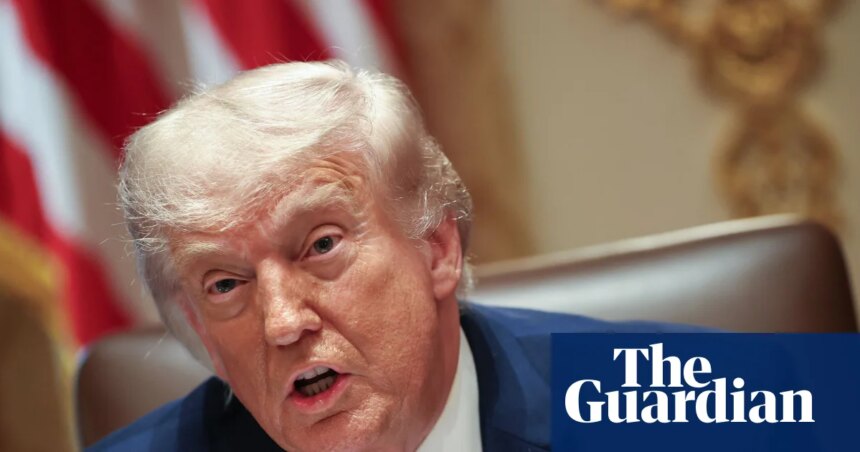
In a significant move aimed at addressing cybersecurity and national security concerns posed by artificial intelligence, Donald Trump has signed an executive order establishing a voluntary framework for the federal government to evaluate advanced AI models prior to their public release. This action, which marks a shift from his previous hands-off regulatory approach, underscores the administration’s intensified focus on safeguarding national interests while recognizing the importance of AI innovation.
Under the newly introduced guidelines, technology companies are encouraged to share their AI models with the government for review up to 30 days before making them public. The administration argues that this will enhance national security and improve cybersecurity measures. However, the order notably stops short of imposing mandatory review processes, a feature that had been considered in earlier drafts which faced pushback from both industry leaders and certain factions within Trump’s political base.
Despite pressure from some hardline supporters advocating for stricter regulations, Trump has opted for a more lenient approach, reflecting a balance between fostering innovation and addressing risks. The initial draft of the order had included provisions requiring a 90-day advance notice for model submissions, but concerns about over-regulating the tech sector led to its postponement. Reports indicate that influential figures in Silicon Valley, including Elon Musk and Mark Zuckerberg, played a role in persuading the White House to soften the order’s requirements.
Trump expressed his reluctance regarding strict regulations in a statement made in May, emphasizing the need to maintain the U.S.’s competitive edge in AI. He stated, “We’re leading China, we’re leading everybody, and I don’t want to do anything that’s gonna get in the way of that lead.” The executive order reiterates the U.S.’s position as a leader in AI and explicitly states that it is not intended to impose burdensome regulations that could hinder innovation. The order clarifies that it does not grant authority for mandatory licensing or preclearance procedures for AI development.
The voluntary framework allows developers to collaborate with federal officials to assess the potential risks associated with their models. If deemed necessary, companies can provide access to these models for scrutiny by the federal government. This initiative comes in response to rising concerns over the capabilities of advanced AI systems, particularly regarding security vulnerabilities that could be exploited if they fall into the wrong hands. Notably, a model called Mythos, developed by Anthropic, has raised alarms due to its advanced cybersecurity features and potential to exploit software vulnerabilities.
Last month, the Trump administration reached agreements with major tech firms, including Microsoft and Google DeepMind, to review their AI models prior to public release. While the details of these agreements have since been removed from government websites, they signify the administration’s commitment to national security through proactive information sharing. Agencies such as the National Security Agency and the Department of Defense will assist in identifying which AI models require closer examination, and the Treasury Department will seek out vulnerabilities in these systems.
Furthermore, the executive order calls for increased hiring of cybersecurity and AI professionals and emphasizes the need for robust cybersecurity frameworks in critical infrastructure sectors, including healthcare and local utilities. It also advocates for prioritizing the protection of civilian federal government information systems and enhancing federal cybersecurity programs using AI-enabled tools.
Earlier in December, Trump announced another initiative targeting state-level regulations on AI, establishing a federal taskforce to counteract efforts from individual states to impose their own legislation on AI technologies. This continued focus on AI regulation underscores the administration’s ongoing efforts to navigate the complexities of emerging technologies while striving to maintain leadership on the global stage.