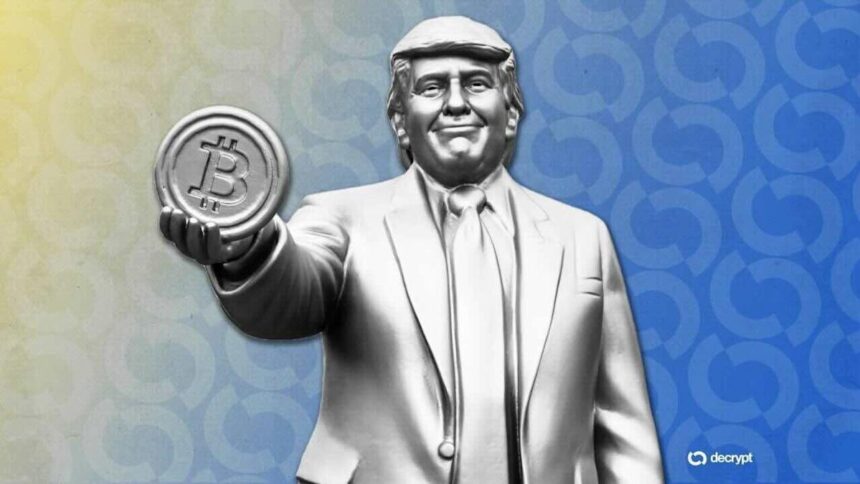
In the wake of President Donald Trump’s reelection in 2024, demand for Bitcoin surged, leading to a phenomenon popularly referred to as the “Trump Trade.” This term encapsulated expectations that under a Trump administration, favorable policies and a more crypto-friendly environment would positively influence Bitcoin’s valuation. Early adopters of this trade found themselves in a lucrative position initially, but the cryptocurrency landscape has shifted dramatically over the ensuing years.
As of recent trading, Bitcoin has fallen to approximately $60,619, marking a significant decline of about 12.6% from its election day close of $69,355 on November 5, 2024. Just before the polls opened, the cryptocurrency was valued at about $67,793. Following the election, Bitcoin skyrocketed to an all-time high surpassing $75,000, with analysts anticipating additional gains as Trump was inaugurated for a second term. The predictions materialized as Bitcoin reached a record high of $109,000 in January 2025, bolstered by rising demand from Bitcoin exchange-traded funds (ETFs).
The ETF market experienced extraordinary growth, with assets under management climbing from approximately $37 billion in January 2025 to over $62 billion by mid-2025. This surge was further amplified by a growing trend in digital asset treasury strategies, significantly influenced by Michael Saylor’s investment approach. Prominent companies, including Trump Media and Technology Group, allocated substantial resources to Bitcoin, with the latter investing $2 billion in Bitcoin and related securities.
Despite a promising trajectory, Bitcoin struggled to sustain its momentum after peaking in October 2025. A substantial liquidation event, reportedly involving $19 billion, triggered a decline, causing Bitcoin’s value to plunge from over $121,000 to around $106,000. This downward spiral continued, with Bitcoin later dipping to $88,000 as the year progressed.
In early 2026, institutional investors contributed to the decline by exiting Bitcoin ETFs, resulting in over $1.5 billion in net outflows during January alone. The landscape continued to be clouded by macroeconomic uncertainties and geopolitical tensions, notably related to the ongoing Iran War, which heightened expectations for interest rate hikes—an unwelcome scenario for assets deemed risky.
Even Saylor, who had once extolled Bitcoin’s virtues, demonstrated a cautious shift by liquidating 32 BTC for about $2.5 million in late May. This move, although previously indicated, was perceived as detrimental to the cryptocurrency’s reputation. Saylor pointed to a significant capital reallocation trend moving from crypto into artificial intelligence, evidenced by over $4 billion in ETF outflows in less than a month.
Currently, Bitcoin is down nearly 52% from its all-time highs, raising concerns among investors regarding its short-term viability. Although Trump has pledged unwavering support for cryptocurrency, as evidenced by the signing of the GENIUS Act—which clarified regulations surrounding stablecoins—the broader regulatory landscape remains unresolved. The sought-after Clarity Act, aimed at establishing comprehensive regulatory frameworks, is still in limbo despite progress in committee discussions earlier this year. Investors are left to ponder the fading influence of Trump’s presidency on the cryptocurrency market amid a fluctuating financial environment.