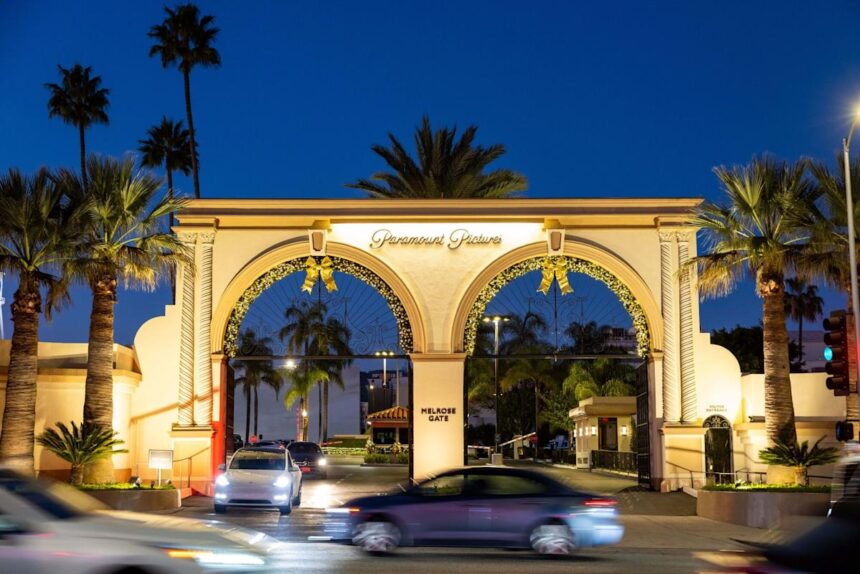
Paramount Skydance Corp. is poised to potentially divest some of its children’s television network assets as it seeks European Union approval for its ambitious $110 billion acquisition of Warner Bros. Discovery Inc. Although the company is eager to avoid any sell-offs, sources close to the situation indicate that Paramount remains open to sacrifices, particularly concerning kid-centric channels, if regulators express concerns about competition overlaps.
The clock is ticking for Paramount, with a deadline set by the EU for an initial assessment of the merger due on July 7. Should the European Commission identify substantial competitive issues, they might require significant adjustments to the merger plan. Paramount’s Chief Executive Officer, David Ellison, has successfully outmaneuvered Netflix in securing this deal over five months, navigating extensive negotiations, meetings with stakeholders, and garnering support from influential figures, including his father, billionaire Larry Ellison. If approved, the merger would significantly bolster the Ellison family’s control over a prominent media conglomerate.
The merger would combine two iconic Hollywood studios known for major film franchises and established news networks, including HBO Max and CBS. A particular area of concern for regulators is the integration of Paramount’s Nickelodeon and Warner Bros Discovery’s Cartoon Network. Given that a large portion of children’s television in Europe is owned by U.S. companies, there is heightened scrutiny regarding potential market share overlaps.
Jennifer Rie, an analyst from Bloomberg Intelligence, highlighted that if the combined market shares of children’s channels exceeded 40% in any country, it could provoke serious regulatory scrutiny. The EU’s investigation could also extend to issues regarding exclusive theatrical release windows for films, reflecting concerns from cinema owners about potential impacts on their revenues.
As the merger undergoes regulatory review, Paramount is expected to make swift decisions regarding any required remedies. The EU’s regulations allow for a brief window in which companies can address competition concerns during an initial probe. If the EU finds significant issues, it could initiate a more comprehensive phase two investigation, which may extend the timeline for approval by several months.
While Paramount is facing challenges in Europe, U.S. regulators seem more inclined to approve the merger, although several states, led by California, are conducting their investigations and may seek to block the deal.
In addition to navigating European hurdles, Paramount’s acquisition also faces scrutiny under the recently enacted Foreign Subsidies Regulation (FSR), designed to limit the influence of foreign government funding on competitive markets. Notably, three Middle Eastern sovereign funds have committed substantial financial support for the acquisition, also leading to concerns about foreign influence in American media.
The Middle Eastern funds, including Saudi Arabia’s Public Investment Fund and the Qatar Investment Authority, would receive non-voting shares, minimizing their governance impact on Paramount, which could work in favor of regulatory approval. While Paramount is set to notify the EU regarding compliance with the FSR, it remains to be seen whether any new challenges will emerge that could complicate the acquisition process.
U.S. lawmakers have already expressed apprehension about foreign investments in media companies, prompting a call for thorough scrutiny by the Federal Communications Commission as this deal progresses. As Paramount aims for a closing date in the third quarter of the year, the successful navigation of these regulatory landscapes will be critical to its ambitious expansion efforts.