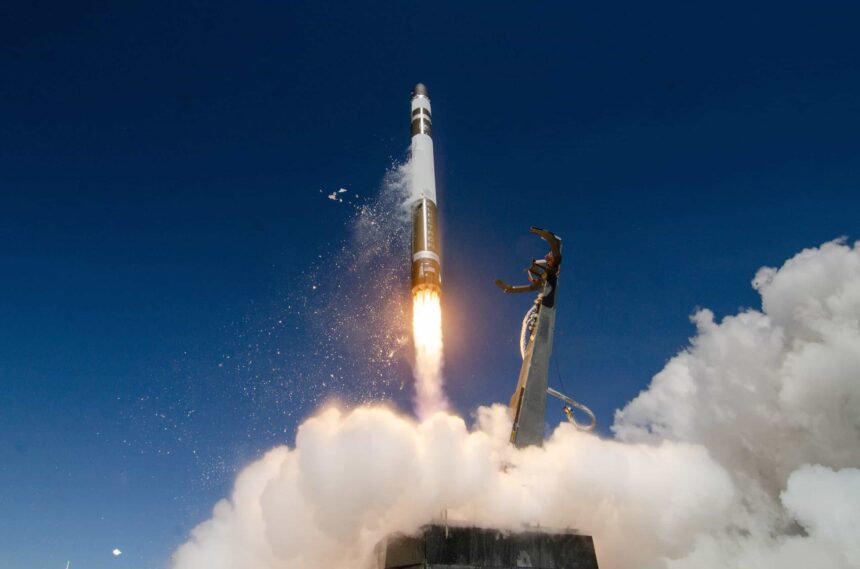
SpaceX is set to embark on one of the most highly anticipated initial public offerings (IPOs) in recent history, scheduled for June 12. The offering is projected to boast an eye-popping valuation of $1.75 trillion, a figure that reflects not only its debut in the capital markets but also suggests a long-term claim on substantial future revenues from satellite broadband, enhancements in reusable rocket technology, and its dominant position in commercial space infrastructure.
This anticipated IPO is taking place against a backdrop of heightened uncertainty in the stock market. Last Friday, wide-ranging declines were observed as investors reacted negatively to a strong jobs report that increased expectations for an earlier-than-expected rise in interest rates. The S&P 500 saw an estimated $1.4 trillion wiped from its market value, primarily driven by a sharp selloff in technology and AI-related stocks, prompting investors to reassess future growth in light of potentially higher discount rates.
This market volatility poses unique challenges for SpaceX as it prepares for its IPO, making it one of the most closely scrutinized listings in years. The selloff was not a reflection of turmoil, but rather a recalibration of valuations after a surge in stock prices fueled by a prolonged bull run, particularly in the tech sector.
Investors are now seeking a greater safety margin, particularly as they face the high-stakes challenge of valuing SpaceX at $1.75 trillion—an evaluation that demands flawless execution on its ambitious projects. Morningstar estimates that SpaceX’s valuation sits about 55% above its intrinsic value, a gap that may be tolerable in a robust market but could turn perilous as liquidity tightens. Currently, SpaceX has yet to achieve profitability, and its IPO narrative is predicated on the successful scaling of its Starlink broadband service and the operational reliability of its Starship rockets.
The crucial issue is timing, with investors needing to factor in the assumption that both projects will reach commercial viability with minimal setbacks. Historical data suggests that this optimism might be misplaced: a substantial number of IPOs fail to perform well within three years of listing, indicating that initial excitement can often overshadow sustainable long-term growth.
While the landscape appears daunting, there are compelling arguments for potential success. SpaceX has garnered a reputation as a vital player in the future of space infrastructure and communications, and the fear of missing out (FOMO) could drive demand beyond initial skepticism. Further, being incorporated into major market indices like the Nasdaq-100 might stimulate institutional buying, creating additional pressure for investors to participate in what could be heralded as the largest IPO ever. Additionally, approximately 78% of the proceeds from the IPO are already earmarked by investors, signaling a supply-demand dynamic that could benefit a limited float of shares.
Ultimately, the upcoming IPO is more than just a financial event; it serves as a test of investor sentiment around high-valued, innovative companies with protracted growth horizons. The market’s recent downturn has not extinguished bullish sentiments completely but has indeed narrowed the margin for error. SpaceX’s valuation, at $1.75 trillion, requires a solid belief that future earnings will eventually align with current expectations—a significant challenge in the present climate. Investors will soon discover whether these lofty demands can be met, potentially redefining expectations surrounding growth pricing in the market.