The United States has made a significant move by designating major Chinese corporations, including Alibaba, BYD, and Baidu, as companies that support China’s military efforts. This action, announced by the Pentagon on Monday, expands the blacklist to include some of the country’s most recognizable commercial brands, heightening the tension in U.S.-China relations, which have been strained in recent years.
In response to this designation, China’s embassy in Washington condemned the listing as “discriminatory,” stating that it exemplified the U.S. government’s tendency to overreach in the realm of national security. A spokesperson for the embassy remarked, “Chinese companies that do business overseas have been strictly observing laws and regulations of their host countries,” urging the U.S. to cease its practices that create what they termed an inequitable environment for Chinese entities.
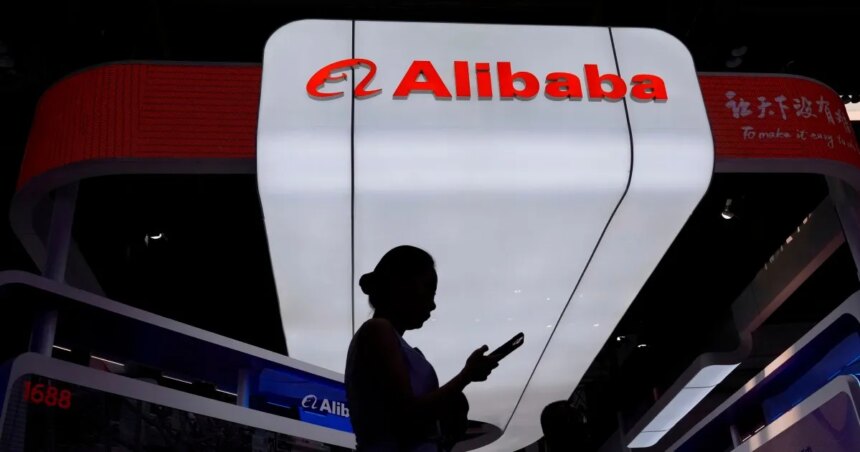
Alibaba, recognized as China’s largest e-commerce platform, vehemently rejected the inclusion on the blacklist. A spokesperson asserted, “There is no basis for our inclusion,” emphasizing that Alibaba is neither a military entity nor involved in any military-civil fusion strategy. The company signaled its intent to pursue legal action against what it described as misrepresentation. Requests for comments from BYD and Baidu went unanswered.
The Pentagon’s latest update identifies 188 firms as “Chinese military companies,” a notable increase from 134 in 2025. Originating in 2021, this list imposes restrictions that prohibit entities from being considered for U.S. defense contracts, with new regulations set to be enforced later this month. The Pentagon outlines that “Chinese military companies” are those owned by or associated with the Chinese military, or those that contribute to China’s military-civil fusion strategy—which aims to integrate civilian and military technological advancements.
According to the Pentagon, Alibaba, BYD, and Baidu support military development through their links to the state-owned Assets Supervision and Administration Commission and the Ministry of Industry and Information Technology. Republican Representative John Moolenaar, who leads the U.S. House committee on strategic competition with China, stated that this updated listing serves as a warning to Chinese companies operating against U.S. national interests. He called for immediate delisting of any such companies publicly traded in the U.S. and urged American firms to cease business with those he views as threats to national security.
The expansion of this blacklist follows a recent summit between former U.S. President Donald Trump and Chinese leader Xi Jinping, which aimed to ease tensions amid a protracted trade war and technological rivalry. The brands included in this latest designation are not only pivotal in their respective sectors—e-commerce, internet search, and electric vehicles—but also signal a broader trend in targeting firms not typically associated with defense-related activities.
Other firms newly added to the blacklist include RoboSense Technology, an AI and robotics company, and Unitree Robotics, both of which hail from China. Responses from these companies to media inquiries were not immediately available.
Critics of the broadened blacklist, such as Dennis Wilder, a national security expert with previous roles at the CIA and the National Security Council, raised doubts about the effectiveness of such sweeping sanctions. Wilder expressed that while the designation may instill caution among some U.S. firms, many already maintain deep ties with these designated companies and are unlikely to sever those relationships without significant repercussions. He characterized broadly applied sanctions as performative unless the U.S. takes substantial steps to decouple from the Chinese economy.