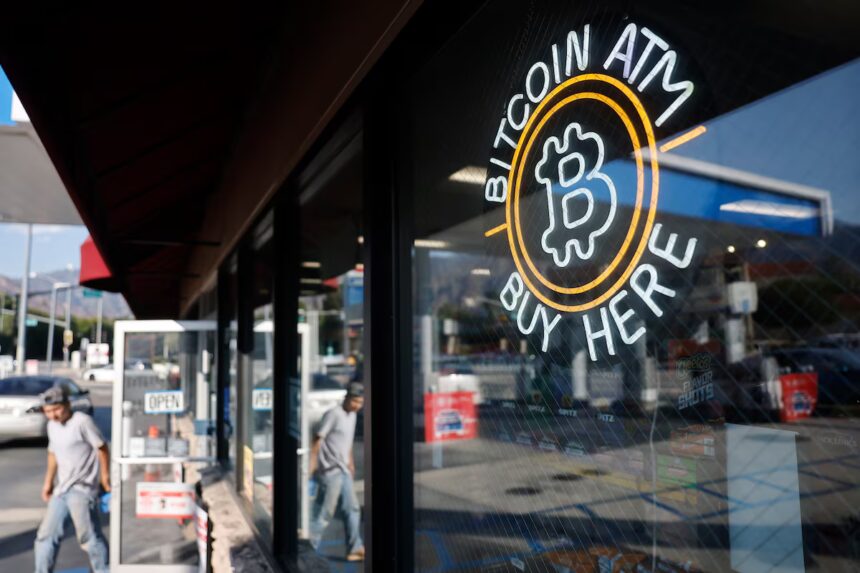
In recent years, Bitcoin’s status has dramatically shifted from a beacon of financial innovation to a symbol struggling to find its purpose in a changing economic landscape. Initially conceived in response to the 2008 global financial crisis, Bitcoin emerged as a critique of traditional banking systems and central bank policies, drawing attention due to its ability to function independently of established monetary frameworks.
When Bitcoin was introduced, the global economic strategy favored bailing out financial institutions and flooding markets with liquidity, a move that many felt unfairly rewarded banks while imposing hardship on the average citizen. In this climate of discontent, Bitcoin was born from the vision of its mysterious creator, Satoshi Nakamoto. By utilizing blockchain technology and a fixed supply of 21 million, Bitcoin was positioned as an alternative currency, potentially countering the inflationary pressures caused by unchecked money supply.
In the years following its inception, Bitcoin gained substantial traction, particularly as central banks around the world significantly increased the money supply—from approximately $32 trillion to $100 trillion. This monetary expansion fueled rising asset prices, with Bitcoin being among the notable beneficiaries. Its value, which was around $100 when it first garnered public attention, surged exponentially, peaking at over $125,000 in late 2021, showcasing an impressive annual return of 80%.
However, warnings regarding the unsustainable nature of Bitcoin’s rise were prevalent. The end of the easy-money era is now becoming apparent. As inflation began to take hold post-pandemic, central banks, including the Federal Reserve, shifted their strategies, leading to increased interest rates and a tightening of monetary policy. This pivot marked a significant transition for Bitcoin, which flourished in an environment characterized by accessible credit.
Currently, Bitcoin faces intensified pressure as interest rates rise, making investments in traditional assets more appealing. The cryptocurrency market has witnessed a sharp decline, with Bitcoin losing approximately half of its value since its peak. As capital flows back to traditional investments promising safer and more reliable returns amidst an environment of increasing rates, Bitcoin’s allure has diminished.
Looking ahead, the scenario appears bleak for Bitcoin’s potential resurgence. While some speculate that central banks may resort to currency debasement to alleviate government debts—a move that could momentarily benefit Bitcoin—the broader implications of such actions could lead to diminished public trust and increased flight to stable assets.
As the financial landscape continues to evolve, marked by higher rates and traditional investment vehicles regaining their appeal, Bitcoin’s trajectory seems destined to trend downward. Though the cryptocurrency will likely maintain a presence in the market due to its dedicated supporters, its role may revert to that of a precursor to a bygone era defined by expansive credit. The once-bright future of Bitcoin appears to be dimming as the era of easy money concludes, leaving it grappling for relevance in a world navigating new economic realities.