In the wake of the SpaceX initial public offering, the upcoming trading week is dominated by key geopolitical developments and economic indicators, especially concerning the U.S.-Iran relations and a pivotal Federal Reserve meeting. Here’s a comprehensive overview of the anticipated events.
Geopolitical Tensions with Iran
The ongoing conflict and its associated negotiations between the U.S. and Iran remain highly dynamic and unpredictable. Recent days have seen a flurry of mixed messages: from President Trump’s threatening remarks about escalating military action against Iran to subsequent claims that a peace agreement is imminent. Such volatility has direct implications for market performance. Just as oil prices started to recover amid initial signs of a possible resolution, skepticism voiced by Iranian state media threw further ambiguity into the situation.
Market analysts caution against trying to predict outcomes based solely on moment-to-moment news, suggesting that market participants remain vigilant to shifts in sentiment that could dramatically alter stock values. The reopening of the Strait of Hormuz—a crucial passage for global oil supplies—could significantly alleviate inflationary pressures if a deal is successfully negotiated, as these tensions have exacerbated energy prices in recent months.
Federal Reserve Meeting Under Kevin Warsh
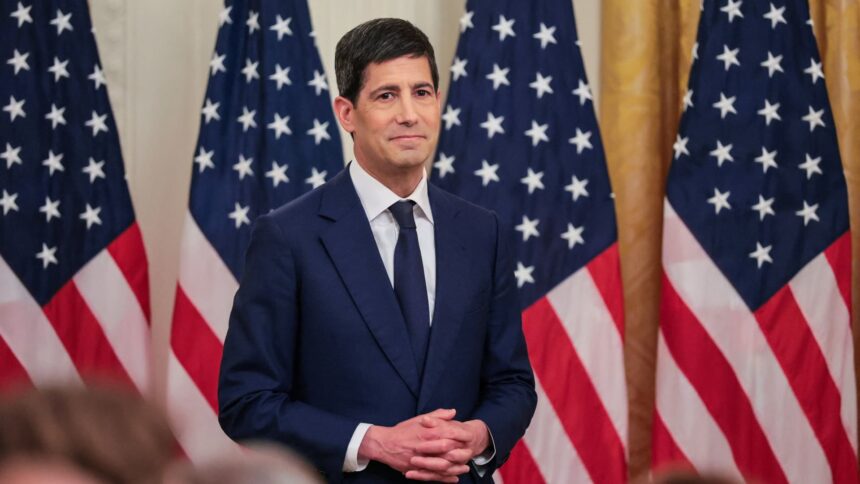
The Federal Reserve is set to conduct its first meeting under Chairman Kevin Warsh, with expectations that interest rates will remain unchanged. With inflation markedly above the Fed’s target—clocking in at 4.2% year-over-year—analysts believe the central bank’s Summary of Economic Projections will reflect a higher inflation forecast and lower unemployment, with no anticipated cuts in rates for the remainder of the year. Warsh’s approach and communication style are yet to be fully grasped by the markets, which fuels interest in his first post-meeting press conference.
Observers expect him to address the rising inflation spurred by energy prices, especially related to the conflict in Iran, and whether these spikes warrant a more aggressive monetary policy. In particular, questions around the impact of artificial intelligence on job security are anticipated.
Economic Data Releases
Several critical economic reports will shape market expectations in the coming days. On the consumer side, the May retail sales report is due, which is vital as consumer spending comprises a large portion of the GDP. A strong retail sales outcome would indicate healthy consumer confidence, while a weaker report may prompt concerns despite not necessarily reflecting poorly on large, resilient companies.
Additionally, housing market metrics such as housing starts and pending home sales will be closely watched. High interest rates have kept home affordability in a constrained state, affecting buyer confidence and market activity. Experts highlight the dual impact of rising energy prices and mortgage rates, linking them to shifts in consumer sentiment.
Finally, a report on industrial production and capacity utilization will be released early in the week, with expectations of a modest increase, hinting at stable industrial activity.
Outlook for the Week Ahead
The upcoming week will feature a series of pivotal economic indicators and Fed communications that could indicate trends in consumer behavior and monetary policy direction. As markets brace for potential shocks stemming from geopolitical developments, investors will remain cautious about how events unfold, particularly regarding the U.S.-Iran negotiations and the repercussions they may have across various sectors.
In summary, the intersection of geopolitical dynamics and economic data will keep investors on high alert, fostering both opportunities and challenges in the trading landscape.