Bitcoin has faced significant challenges this year, particularly as the surge in artificial intelligence investments exerts pressure on the cryptocurrency market. The price of Bitcoin has plummeted from a peak of $126,000 to just above $60,000, igniting fear among traders. Despite this downturn, some are optimistic, interpreting signs that a market recovery may be underway.
Concerns have been amplified by predictions from notable trader Arthur Hayes, who anticipates an impending “AI credit event” that could collapse the market and lead to further declines in Bitcoin’s value. In a recent podcast interview, Hayes warned that such an event might prove even more severe than the financial crisis of 2008, suggesting that the widespread belief in the transformative power of AI could be misleading. He referenced the rapid advancements in chip technology as a reminder that no amount of fiscal stimulus could prevent market corrections.
Adding to the volatility, Bitcoin’s price faced another dip as the major buyer, Strategy, navigated a precarious financial situation. Their preferred stock has seen a dramatic decline, raising fears that their acquisition of Bitcoin might be in jeopardy. Criticism from prominent financial figures has intensified, with critiques focused on the sustainability of the company’s financial strategies. The founder of Strategy, Michael Saylor, acknowledged the situation on social media, emphasizing resilience in the face of market downturns.
Simultaneously, the technology sector continues to invest heavily in AI infrastructure, with major corporations like Meta, Microsoft, Amazon, and Alphabet projected to spend a remarkable $725 billion on AI-related projects over the next few years. This surge in expenditure draws parallels to significant historical investments, such as those seen in railroad expansion during the pre-industrial era.
Hayes pointed out that should investors determine that AI investments do not justify their costs, capital could quickly shift toward Bitcoin and other cryptocurrencies. He predicts that the potential collapse of the AI bubble, coupled with consequential increases in money supply, could propel Bitcoin to unprecedented heights, even estimating a future price of $1 million per Bitcoin.
Despite the turmoil, some bullish analysts remain hopeful about future Bitcoin valuations, anticipating remarkable growth in the coming years. Bitcoin, originally conceived as a response to government rescues in 2008, has served dual roles as both an inflation hedge and a high-growth investment.
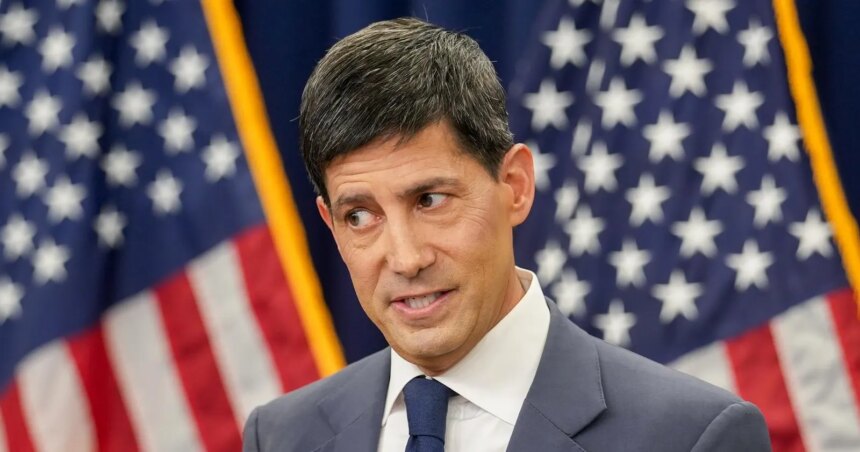
In broader economic news, new Federal Reserve chair Kevin Warsh has opted to hold interest rates steady at his first meeting. This decision came despite prior indications from former President Donald Trump, who had desired rate cuts. Economic experts suggest that the Fed’s current stance reflects ongoing inflationary pressures and robust job creation figures, complicating the outlook for future monetary policy. The Fed’s decision to refrain from rate hikes could inadvertently signal a more accommodative policy environment, despite persistent inflation concerns.