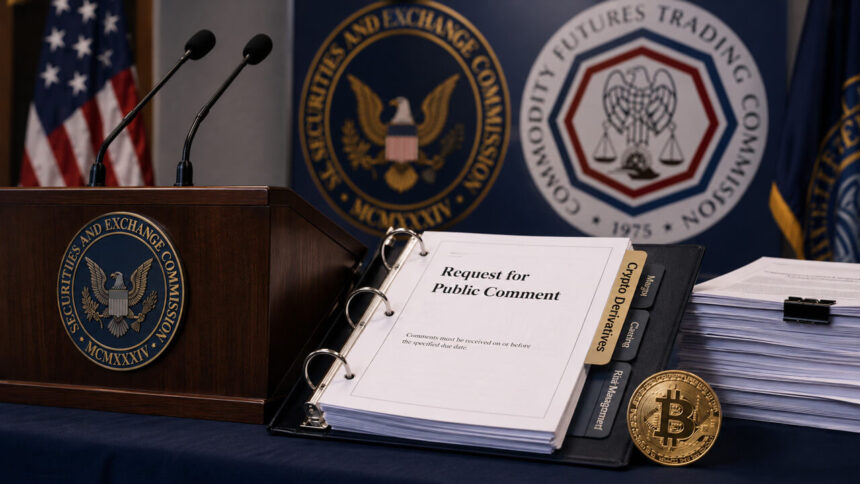
The ongoing regulatory debate surrounding crypto perpetual futures is shifting into a formal commentary phase, engaging a wide array of stakeholders including legal experts, established market players, startups, and public-interest organizations. The Commodity Futures Trading Commission (CFTC) and the Securities and Exchange Commission (SEC) initiated this process on June 18, inviting public feedback on various definitions and classifications related to swaps and novel financial products.
This joint request signifies a critical juncture in the regulatory landscape, as the definitions established by the SEC and CFTC will influence market structure beyond individual products or exchanges. The commentary period, which will remain open for 60 days following publication in the Federal Register, aims to capture insights on products such as perpetual futures, event contracts, and novel trading structures.
The implications of how these products are categorized extend beyond regulatory oversight; they dictate launch processes, venue eligibility, and compliance requirements. In the realm of crypto assets, the regulators seek clarity on various types, particularly those that resemble traditional market categories but feature unique characteristics, such as continuous trading and cash settlement.
Key areas for feedback include the classification of cash-settled perpetual contracts referencing traditional securities and the potential impacts these products might have on market liquidity and price discovery. The request probes deeper into whether products that blend attributes of existing financial instruments can be categorized adequately under current laws—an especially pertinent issue in the evolving landscape of crypto derivatives.
The regulators have already established a framework for collaboration, as outlined in a harmonization memorandum signed in March. This document emphasizes the need for coordinated efforts between the SEC and the CFTC while retaining each agency’s distinct statutory authority. As stakeholders submit comments, these letters could significantly influence the regulatory direction—though they won’t alter existing laws directly.
One immediate focal point is KalshiEX, a platform that recently gained CFTC approval for its Bitcoin perpetual contract. This ruling contextualizes the ongoing classification debate, highlighting how a financial product could straddle the line between a traditional futures contract and a crypto-specific instrument. The central query remains whether such derivatives can exist under established regulatory frameworks while preserving their unique crypto characteristics.
Furthermore, the recent CFTC proposal regarding event contracts—covering a wide range of specified activities, including gambling and political outcomes—illustrates another dimension of this regulatory fight. There’s significant overlap between crypto perpetuals and event contracts, creating complex market-structure challenges that demand clear definitions from regulators.
As the comment period unfolds, exchanges, market makers, and other industry players are gearing up to articulate their positions. The perspective they choose to emphasize will determine the narrative around product classifications. For instance, if incumbent exchanges focus on existing regulatory frameworks and competitive dynamics, the discourse may lean toward more stringent oversight. Conversely, if crypto-native platforms advocate for alternative compliance pathways, the conversation could shift to facilitating more innovative product launches.
The response from market participants will be pivotal in shaping the future of crypto derivatives in the U.S. The regulators’ current approach and the resulting discourse will likely determine whether a unified regulatory framework emerges or if fragmentation persists, leading to ongoing disputes over which agency dictates market rules.
Ultimately, the forthcoming comment letters will illuminate industry priorities—whether they emphasize harmonized compliance or distinct regulatory burdens—and could influence the trajectory of regulations surrounding crypto derivatives and future market innovations. As these discussions evolve, they represent a crucial moment in reconciling the fast-paced growth of the crypto market with the need for responsible oversight and investor protection.