In 2023, Tesla faced significant challenges as the automaker recalled over 2 million vehicles—essentially all cars equipped with its Autopilot feature. This action followed regulatory findings that Tesla had not implemented Autopilot in a way that ensured drivers remained attentive to the road. The recall stemmed from a 2021 National Highway Traffic Safety Administration (NHTSA) investigation into numerous crashes and fatalities linked to the technology.
The situation intensified after Tesla CEO Elon Musk led initiatives aimed at streamlining government processes, which resulted in a substantial reduction of NHTSA personnel with expertise in assessing the safety of autonomous vehicles (AVs). Following this shake-up, the performance of Tesla’s Full Self-Driving (FSD) system reportedly declined, leading to alarming reports of FSD failures. These issues prompted a new NHTSA probe last October, although Tesla has been slow to respond.
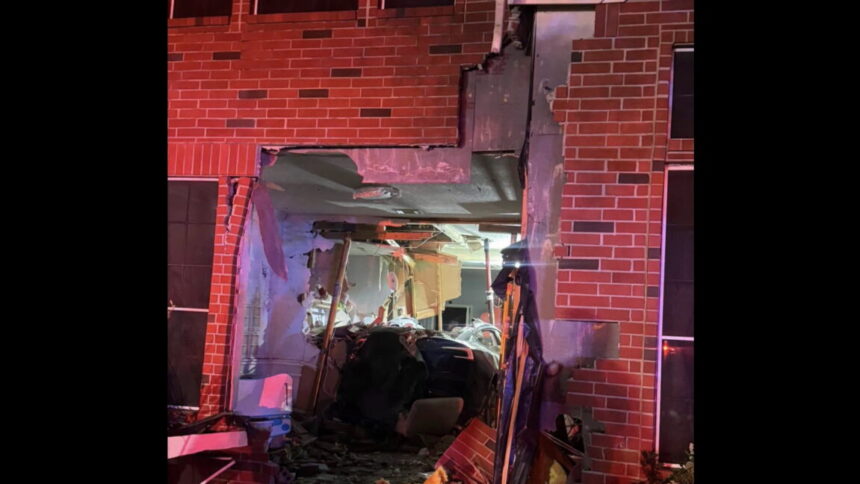
With the ongoing scrutiny, it remains uncertain whether the recent Texas crash will further complicate Tesla’s legal troubles. Responses from NHTSA to inquiries have been scarce, yet indications suggest a growing alignment between the agency and Musk on the push to deregulate autonomous vehicles.
In a speech given in January, NHTSA Administrator Jonathan Morrison outlined an optimistic vision for the future of AVs. He identified the year 2026 as a pivotal moment for AV rulemaking, asserting that the agency is accelerating efforts to amend regulations to support the advanced capabilities Tesla is working to achieve. Morrison anticipates a future where vehicles can operate without human intervention, envisioning scenarios where passengers may even take naps while on the road.
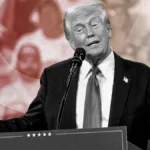
Describing this transition as one of the most formidable engineering challenges humanity has ever faced, Morrison acknowledged the critical nature of safety in AV development. However, he criticized the Biden administration for prioritizing enforcement measures against AV developers and safety research, suggesting that under the Trump administration, the advancement of American AV technologies would be prioritized.
Morrison emphasized the balance between ensuring public safety and facilitating innovation in the AV sector, stating that the potential benefits of this technology are too significant to overlook or dampen. He articulated a vision that includes removing impediments to the commercial deployment of AVs, with a specific mention of vehicles designed without traditional controls like steering wheels or brake pedals.
He concluded with a call for a sense of urgency in removing “unnecessary regulatory barriers” to enhance safety and mobility for the American public, indicating a strategic shift towards greater leniency in AV regulation under his leadership at the NHTSA.