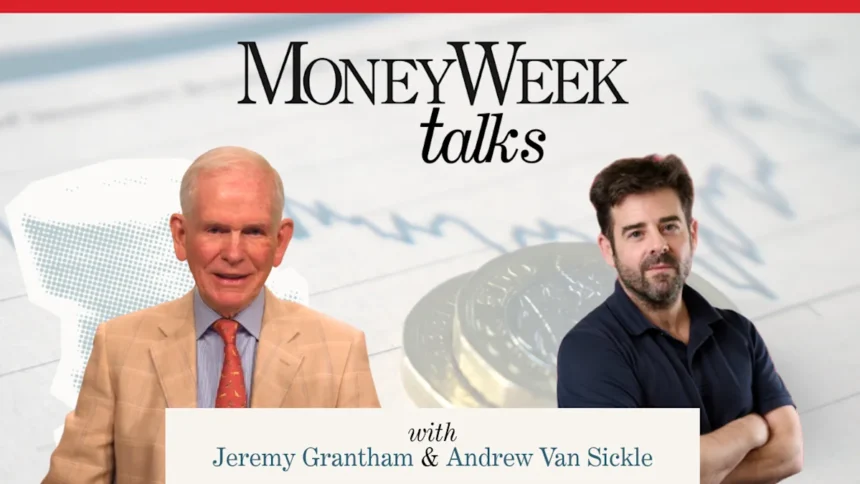
Recent discussions surrounding the surge in valuations of artificial intelligence (AI) firms have drawn attention from experts in the field, notably Jeremy Grantham, a well-known authority on stock market bubbles. Grantham, who first identified the Japanese bubble in the 1980s and previously warned against the risks of the tech bubble during the dot-com crash, has now shared his insights on the current AI landscape.
In a recent episode of MoneyWeek Talks, Grantham conveyed to host Andrew Van Sickle that future historians are likely to view this era in a similar light as the infamous South Sea Bubble—an early and significant financial disaster. He specifically highlighted the soaring expectations tied to companies like SpaceX, which he described as having a “truly unbelievable” prospectus that includes ambitious ventures such as asteroid mining and colonizing Mars. Grantham expressed skepticism about projected revenue streams, noting that a significant portion—around 90%—is tied to AI applications, which he feels are highly uncertain.
Despite acknowledging the transformative potential of AI, Grantham cautioned against the current industry dynamics. Drawing a parallel to the railroad boom, he explained that just as the railroad industry expanded rapidly in anticipation of productivity gains, the AI sector may attract an excess of capital leading to inevitable market corrections. “The more obvious and important the idea, the more likely you are to attract too much capital and have a market bust,” he stated.
Grantham also analyzed the contrasting futures of what he referred to as the “Magnificent Seven” tech firms, comparing their historical dominance with the emerging race toward AI. While companies like Amazon and Tesla previously established monopolies in their respective fields, the current battle appears to pivot on who can dominate AI technologies. He noted, “They believe whoever gets there first will have a license to make more money than has ever been made at anything in history.”
In describing the competitive climate, Grantham likened it to a “gorilla fest,” with companies financially vying for dominance. “They’re going to fight until someone survives,” he remarked, indicating that this fierce competition could lead to significant financial losses for many players before a clear leader emerges. He expressed that such fierce rivalry typically results in stock underperformance, similar to historical patterns observed during earlier tech booms and busts, suggesting that the aftermath could mirror the recoveries seen in the internet and railroad industries.
Listeners interested in delving deeper into these discussions can tune into the full interview with Jeremy Grantham on MoneyWeek Talks, available on platforms like YouTube and various podcast services. This podcast aims to provide listeners with valuable insights on financial success, featuring a wide range of guests—from CEOs and entrepreneurs to economists and policymakers—who share their expertise on money management and investment strategies.