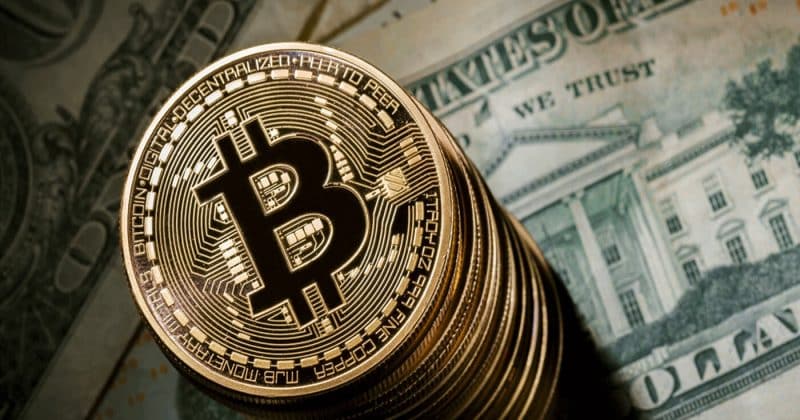
Recent findings reveal a significant trend in Bitcoin’s distribution, indicating that nearly 80% of the cryptocurrency is now held by long-term holders. According to K33 Research, as of June 15, long-term holders control 79% of Bitcoin’s circulating supply, marking an unprecedented level of hoarding in the cryptocurrency market.
The data suggests that the situation has sharply inverted compared to two years prior. On June 6, 2026, only 218,421 BTC—coins that had remained untouched for at least two years—were moved, the lowest reactivation rate since 2012. In stark contrast, during the same period in June 2024, approximately 1.18 million BTC had been reactivated by holders, pointing to a significant shift in investor behavior.
This decline in reactivation rates comes amid falling trading volumes and reduced ETF outflows, which have also hit their lowest levels this year. Such decreased activity can contribute to market stagnation, as the available float for active trading diminishes. With only a limited amount of Bitcoin available for buying or selling, any spike in demand—from institutional investors, retail traders, or ETF purchases—could lead to substantial volatility.
After a turbulent period marked by sharp price declines in early June 2026, Bitcoin has shown signs of stabilization. By June 17, the cryptocurrency was trading near $65,000, reflecting a 6% rebound from its recent lows. Historical analysis by K33 suggests that the current market dynamics—including a high concentration of long-term holders, minimal reactivation of dormant coins, and declining volumes—typically emerge in the later stages of a bear market.
Adding to the uncertainty surrounding Bitcoin’s price movement is the anticipated first meeting of the Federal Open Market Committee under newly appointed Chair Kevin Warsh. The Fed’s rate decisions and future guidance have proven to be powerful short-term drivers for Bitcoin’s price in the past; thus, the changing leadership at the Fed introduces a level of unpredictability that could affect market sentiment and trading strategies.
Investors are watching closely as this unprecedented supply concentration among long-term holders joins forces with the lowest dormant coin reactivation seen in over a decade. Such conditions have not been observed at this scale previously and evoke memories of Bitcoin’s earlier days when reactivation rates were similarly low, and prices remained modest.
In summary, the combination of stagnant supply movement and historical high levels of long-term holding could signal a critical juncture for Bitcoin as it navigates through uncertain market conditions. The landscape for potential buyers and traders may change dramatically if these long-term holders decide to enter the market, but for now, available assets remain scarce, making the path forward even more challenging.