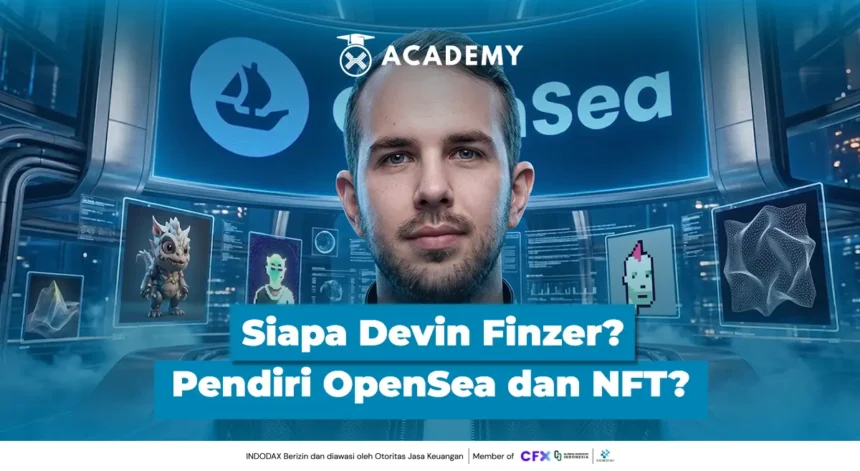
As interest in NFTs surged during 2021, many enthusiasts and newcomers turned to OpenSea to engage with digital artworks, collectibles, and blockchain assets. At the helm of this dynamic platform is Devin Finzer, co-founder and CEO of OpenSea, who has played a pivotal role in expanding the accessibility and functionality of NFTs in the evolving tech landscape.
Finzer’s journey began with a passion for technology, nurtured through his studies in Computer Science and Mathematics at Brown University. He first delved into the entrepreneurial realm by founding Claimdog, a financial startup that attracted attention and was eventually acquired by Credit Karma. This early venture laid the groundwork for his expertise in creating customer-centric tech products.
The spark that ignited Finzer’s interest in blockchain came in 2017. Intrigued by the unique potential of NFTs and the burgeoning Ethereum ecosystem, he teamed up with Alex Atallah to establish OpenSea. The platform emerged amid a landscape where NFTs were still relatively unknown, limited to niche communities.
The breakout moment for NFTs occurred with the rise of CryptoKitties—a blockchain-based game demonstrating the commercial viability of digital assets. Recognizing this trend, Finzer and Atallah launched OpenSea as a marketplace aimed at trading various blockchain assets, thereby fostering a more robust ecosystem for NFTs.
In the lead-up to OpenSea’s rise, the NFT market faced significant hurdles. Prior to 2020, NFTs were largely obscure, known only within crypto circles. User adoption was hampered by complex technology, and the limited number of platforms made it challenging for enthusiasts to engage meaningfully with digital assets.
The NFT craze in 2021 led to unprecedented growth for OpenSea, which quickly became the leading platform for NFT transactions. Increased public interest caused trading volumes and user registrations to skyrocket, positioning Finzer as a notable figure in the cryptocurrency domain.
As the market boomed, OpenSea’s user-friendly design distinguished it from its competitors. Simplifying the user experience enabled a broader audience to buy and sell NFTs, while its expansive support for various collections—from digital art to gaming items—attracted diverse projects to list on the platform.
However, as the initial fervor waned, OpenSea encountered new challenges, including intensifying competition and a decline in NFT activity. The marketplace faced pressures from emerging competitors and a general downturn following the peak enthusiasm of 2021.
In response, OpenSea adapted by evolving beyond a traditional NFT marketplace. The leadership under Finzer initiated a shift toward offering a wider array of on-chain asset functionalities. This agility has been crucial to maintaining user engagement even amid fluctuating market conditions.
Finzer’s experiences highlight key lessons for aspiring entrepreneurs in the technology landscape. He recognized opportunities early, entered the NFT space at a time of low visibility, and created infrastructure that enabled faster adoption of emerging technologies. Furthermore, his commitment to adaptability in response to market dynamics underscores the importance of resilience in business.
In conclusion, Devin Finzer’s role as co-founder and CEO of OpenSea exemplifies how infrastructure can catalyze the growth of new technologies. He has contributed significantly to the global expansion of NFTs, positioning OpenSea as a crucial player during the critical early stages of the industry. The evolution of OpenSea illustrates that it is not only about technological innovation but also about the ability to seize opportunities, build supportive systems, and pivot strategies in response to changing market dynamics.