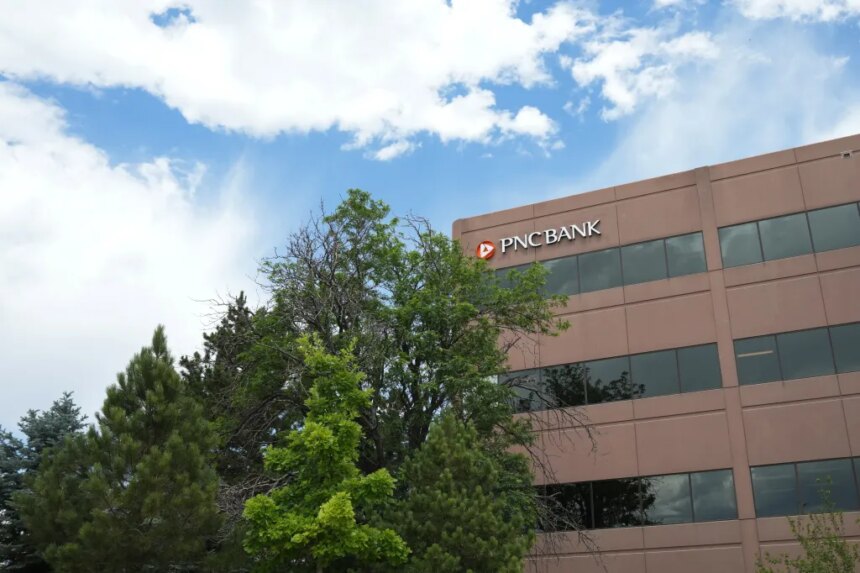
Customers of PNC Bank are expressing significant frustration following its recent acquisition of FirstBank, with many reporting difficulties during the transition. Denver resident Elizabeth Freudenthal, who describes her experience as “super angry,” decided to close her account with PNC and switch to another bank. The transition comes after FirstBank’s employee owners accepted a $4.1 billion buyout from PNC in September, marking the end of a 63-year legacy for FirstBank in Colorado.
The changeover was executed over the past weekend, during which PNC rebranded 95 former FirstBank locations. While PNC is known for its motto, “Brilliantly Boring since 1865,” social media channels are now filled with customer complaints detailing a challenging transition.
Sandra Jessen, a long-time customer of FirstBank since 1979, described the experience as a “disaster” and noted that numerous friends are pulling their money from the bank. She and her husband faced issues with frozen credit cards and long wait times for basic transactions, such as cashing a $10 check—which took an arduous 20 minutes requiring multiple forms of identification.
Freudenthal also faced challenges with access to her banking app, which was blocked for weeks until she was compelled to download the new PNC app. “I felt very forced into it,” she said. The malfunctioning ATM further compounded her frustration as she struggled to access her cash.
Business owners have not been spared from the turmoil. Sharon Hwang, who runs The Wellness Center in Denver, reported an alarming situation where her business savings account appeared to have vanished. Despite following the protocols PNC laid out, her account was inaccessible for a frustrating 45 minutes spent on hold with customer service—only to be disconnected without resolution.
Customer complaints ranged from online access issues to disrupted services, including non-functioning debit cards. Although PNC Bank has reassured customers that old FirstBank debit cards would remain active until late September, many users reported that their cards had inexplicably stopped working.
The transition strategy adopted by PNC—a “flash cut” approach—has drawn criticism. Many believe a phased approach could have mitigated some of the problems by implementing changes gradually rather than all at once. This strategy may have cut costs, yet minor glitches seem to have generated widespread dissatisfaction among customers.
In an effort to manage the fallout, PNC has emphasized its commitment to supporting affected customers, noting it deployed around 600 additional staff to assist during the transition period. Regional communications vice president Heidi Hurst argued that most inquiries stemmed from customer communications that may not have been fully understood, insisting that the issues reported do not signal a “broader, systemic problem.”
Despite these assurances, some former FirstBank customers have promptly begun moving their accounts to alternative institutions. The Bellco Credit Union, for example, has reported an uptick in customer engagement, suggesting that some individuals are seeking refuge from the current situation.
Political candidates like Monica VanBuskirk have also voiced concerns, recounting chaotic experiences while trying to transition their campaign accounts. The shortcomings of PNC’s customer service during this critical period highlighted a disconnect between the values of a local institution and a new out-of-state entity.
The dissatisfaction among the clientele reflects a broader sentiment that, in acquiring FirstBank, PNC may have lost sight of the personal touch that endeared FirstBank to its customers. As some consider crossing over to new banking options, the consequences of this takeover may continue to ripple through the community.