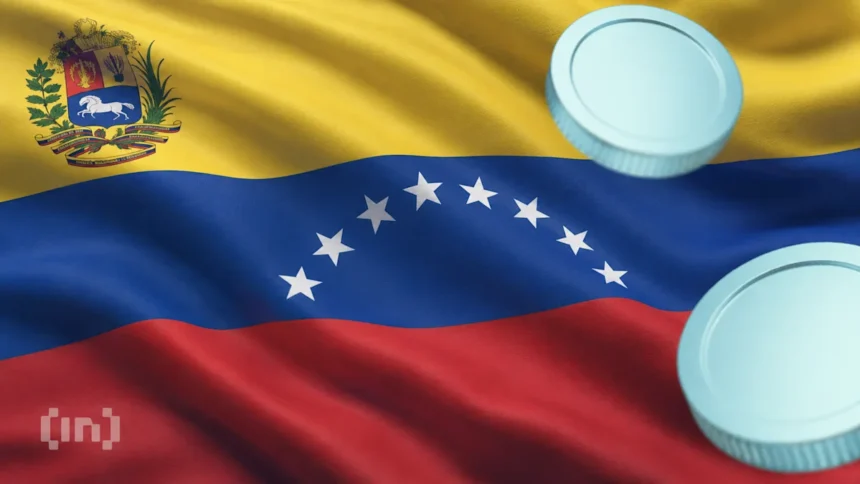
The aftermath of the devastating earthquakes that struck Venezuela on June 24 has prompted a swift and significant response from the global crypto community. Following the powerful tremors, measuring 7.2 and 7.5 on the Richter scale, which left thousands dead and injured, various humanitarian organizations, exchanges, and community-led campaigns mobilized to facilitate cryptocurrency donations aimed at alleviating the crisis.
The effectiveness of cryptocurrency in humanitarian emergencies has been highlighted during this disaster. Donations can be processed directly between digital wallets without the involvement of traditional banking systems, allowing funds to reach one of the world’s most impacted regions in a matter of minutes. This method is particularly beneficial for countries like Venezuela, where financial systems struggle under pressure and are often subject to international sanctions.
The sheer scale of devastation in Venezuela has added urgency to the situation. Reports indicate that at least 920 people lost their lives, more than 3,300 were injured, and approximately 50,000 remain unaccounted for as search efforts continue across rubble and makeshift shelters. Areas such as La Guaira suffered catastrophic property damage, with rescuers often lacking adequate machinery for recovery operations.
Venezuela’s complex backdrop, characterized by years of economic turmoil, mass migration, and declining public services, complicates disaster response. Ongoing issues related to electricity, water supply, communication networks, and transportation further hinder relief efforts, while international aid arrives from multiple countries including the Dominican Republic, Mexico, and Colombia.
In response to this crisis, stablecoins have emerged as a preferred method for donations. Cryptocurrencies such as USDT and USDC help mitigate volatility while making it easier to purchase essential goods like food, medicine, and rescue equipment locally.
Among the numerous initiatives activated in the wake of the earthquakes, Binance, the world’s largest cryptocurrency exchange by trading volume, announced a substantial $3 million donation for affected individuals along with additional support measures that include offering 20 USDT coupons and waiving peer-to-peer transaction fees for users in seven states impacted by the disaster.
Additionally, the Latin American peer-to-peer exchange, El Dorado, has coordinated efforts to assist those in the most affected regions, facilitating commission-free transfers for international users sending assistance to Venezuela.
Prominent figures within the Venezuelan crypto community, such as Ana Ojeda, known as the “Criptolawyer,” are also playing a pivotal role. Her partnership with the Decaf platform aims to streamline international donations for families devastated by the earthquakes. Decaf Pay’s technical infrastructure allows for contributions in USDC and other payment methods, ensuring transparency and swift local transactions through Airtm.
Meanwhile, institutional efforts from organizations like the BTC UCAB Academy have led to the establishment of an Emergency Earthquake Fund Venezuela 2026, which offers verifiable on-chain transparency for donations and distributions. International groups, including Mercy Corps and World Vision, have likewise begun accepting crypto donations through The Giving Block.
Community-led initiatives have gained traction as well, with individuals raising funds through various cryptocurrencies to procure essential supplies like gloves, gauze, and food.
However, the speed and anonymity of cryptocurrency transactions also introduce risks, especially in times of crisis. Potential donors are urged to practice caution, verifying official donation links, avoiding unverified addresses, and looking for transparency concerning how funds will be utilized and reported.
As Venezuela navigates this tragedy, the response from the crypto community illustrates a broader paradigm shift. Cryptocurrencies have transcended their speculative origins, establishing themselves as vital conduits for humanitarian aid during times of global calamity, with Venezuela marking yet another chapter in this evolving narrative.