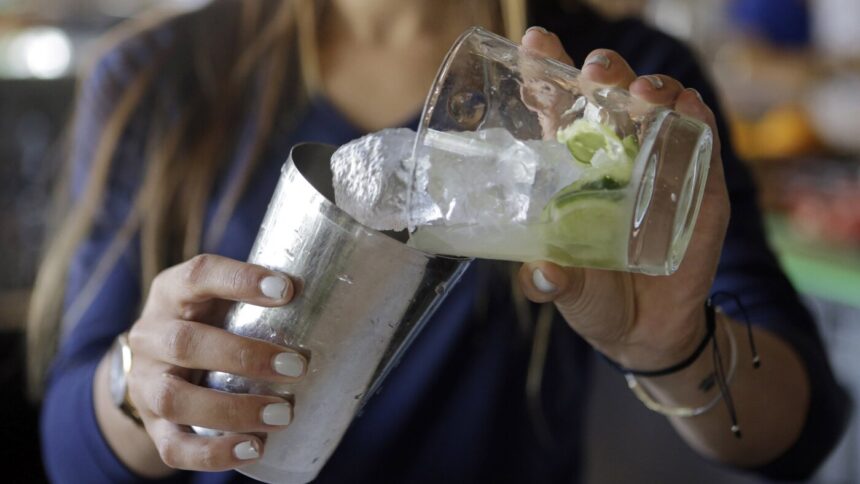
In a notable shift in international relations, the Trump administration’s tariffs have inadvertently fostered a newfound collaboration between Europe and South America, particularly benefiting Brazil’s cachaça producers. Cachaça, a sugarcane-based spirit and the primary ingredient in the iconic Brazilian cocktail, the caipirinha, has historically faced hurdles in entering European markets due to import taxes and a general lack of awareness among consumers. However, recent developments present a promising opportunity for growth in this sector.
Distiller Assja Schymura from Pindorama is optimistic about the prospects for cachaça, stating that the potential for growth is immense if initial barriers can be overcome. Traditionally seen as a niche product, cachaça has garnered recognition in European competitions, yet it has struggled to find a foothold in broader markets.
In May, significant progress was made when the European Union and Mercosur, a South American trade bloc comprising Brazil, Argentina, Uruguay, and Paraguay, advanced a long-stalled trade agreement. This deal aims to cut tariffs on a wide range of goods, including cachaça, which could open the floodgates for an influx of Brazilian spirits into European markets.
The momentum for the agreement was partly fueled by the repercussions of U.S. tariffs from the previous year, which prompted both Europe and South America to reconsider their trade dynamics. Former Brazilian trade official Roberto Jaguaribe noted that unpredictable relations with the United States often lead nations to seek alternative partnerships.
This EU-Mercosur agreement extends beyond mere trade, incorporating commitments to uphold democratic institutions and adhere to climate agreements, emphasizing a collective stance as the U.S. steps back from its global leadership roles under the Trump administration. At a recent conference in Brazil aimed at strengthening ties between Europe and Latin America, Finnish diplomat Anna-Kaisa Heikkinen stressed the importance of countries working together within a rules-based international order.
Despite the general optimism surrounding the new trade agreement, there remain underlying concerns, particularly among European agricultural lawmakers who fear that increased imports could threaten local farmers. As a result, the EU Court of Justice has been called to review the agreement, potentially delaying its implementation for another two years.
Beyond the EU deal, Mercosur has been actively pursuing additional trade agreements. Since the onset of the Trump administration, the bloc has signed pacts with several non-EU European countries and is also in discussions with major economies such as Canada, Japan, and the United Arab Emirates. This marks a significant change for Brazil, which historically maintained high tariffs but is now reportedly reevaluating its approach to trade in light of various international pressures.
Former Brazilian official Larissa Wachholz characterized this period as a critical moment of transformation in Brazilian trade policy, suggesting that a return to strict protectionism is unlikely.
Meanwhile, Pindorama’s directors emphasize the broader cultural significance of cachaça, arguing that increased trade openness could facilitate a deeper understanding of Brazil. Creative director Rafael Daló pointed out that people’s perceptions of Brazil often center around carnival and festivities, but by exploring the intricacies of cachaça, consumers can learn about the rich biodiversity and cultural heritage tied to the spirit’s production, ultimately telling another story of Brazil.