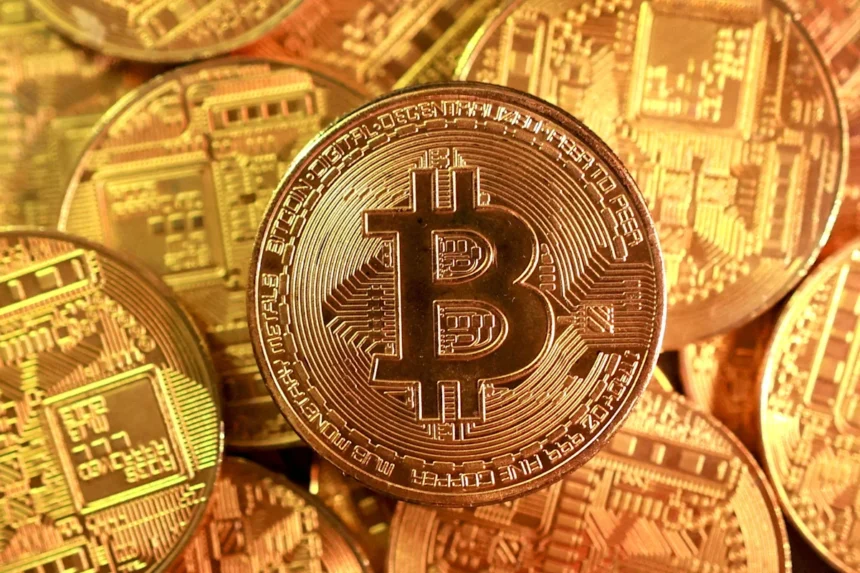
A recent surge in inflation has reignited discussions among investors about the potential of Bitcoin and other cryptocurrencies as viable hedges against inflation. As inflationary pressures have intensified in 2026 following the onset of the conflict in Iran, some crypto advocates have pointed to Bitcoin’s fixed supply as a primary argument in favor of its inflation-hedging capabilities. This narrative has gained traction on cryptocurrency-focused platforms like CoinDesk, which highlighted a brief rally in Bitcoin prices earlier this spring.
However, skepticism abounds among financial experts regarding Bitcoin’s ability to serve as an effective hedge against inflation. Paolo Pasquariello, a finance professor at the University of Michigan, contends that the hypothesis linking cryptocurrency to inflation protection is fundamentally flawed. He describes cryptocurrencies as a speculative bubble and urges everyday savers not to heed social media recommendations to invest in Bitcoin solely for inflationary protection.
Pasquariello emphasizes that while people seek inflation hedges to maintain their standard of living amidst rising prices, there is little evidence that cryptocurrencies can fulfill this role. He notes that for a cryptocurrency to effectively counteract inflation, its value would need to increase at a rate surpassing inflation, a scenario he believes is unlikely.
Historical context reveals that investments perceived as inflation hedges often vary over time. For instance, during the inflationary period of the 1970s and 1980s, art became a popular asset class for protecting wealth. In contrast, cryptocurrencies like Bitcoin emerged only in 2009 and lack any historical record as reliable inflation hedges.
While Bitcoin allows for relatively anonymous transactions without involving traditional banks or authorities, Pasquariello argues that it has not achieved mainstream acceptance as a common currency for everyday purchases. He cites the absence of widespread salary payments or commercial transactions being conducted in cryptocurrencies as a significant drawback.
The conversation surrounding cryptocurrencies often divides opinions sharply, generating fervent supporters and staunch critics. Some industry proponents believe that cryptocurrencies could still become integral to investment portfolios, with discussions emerging about their inclusion in 401(k) plans, particularly after favorable regulatory changes promoted by the previous administration.
Despite the initial rally in Bitcoin prices following these regulatory developments, the cryptocurrency’s performance in 2026 has been lackluster. After peaking at over $124,000 in late 2025, the value of Bitcoin plummeted to around $62,800 by June 2026—a drop of nearly 50% in less than a year.
As inflation has picked up momentum, especially after the Iran conflict, the Consumer Price Index reflected a 0.5% month-to-month increase in May, contributing to rising year-over-year rates. Financial analysts like Sam Huszczo and Robert Bilkie echoed Pasquariello’s sentiments, asserting the lack of empirical evidence supporting cryptocurrencies as effective inflation hedges. They recommend more traditional investment vehicles like stocks and real estate over cryptocurrencies for inflation protection.
However, some advocates continue to champion Bitcoin as a long-term hedge against inflation. Ronnie Bedway, a vocal supporter of Bitcoin, argues that its fixed supply makes it a sound investment during periods of monetary inflation, especially when the economy is strained by factors like rising oil prices.
Bedway maintains that the current inflationary challenges stem from supply shocks rather than fundamental weaknesses in Bitcoin itself, which he believes will ultimately reclaim its status as an inflation hedge once external pressures like oil prices stabilize.
As discussions around effective inflation hedges continue, alternative investments such as U.S. inflation-indexed savings bonds, which offer fixed interest rates based on inflation fluctuations, are gaining attention. These options represent less volatile bets for investors seeking protection from economic downturns.
While Bitcoin may currently be experiencing a significant decline, the debate surrounding its potential as an inflation hedge reveals that many investors remain cautious. The volatility associated with cryptocurrency investments serves as a critical reminder for those considering it as a hedge in unpredictable economic times.