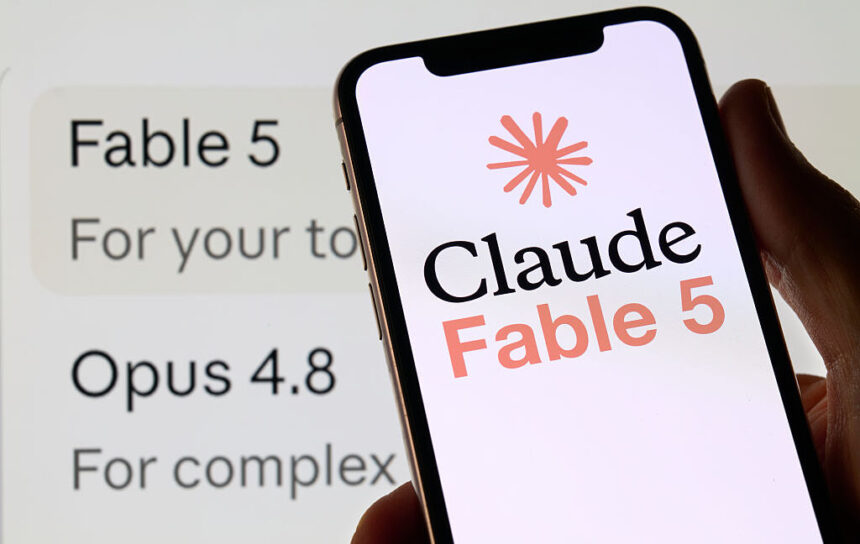
The recent directive from the Commerce Department has led to significant changes in the operations of Anthropic, a prominent AI firm. On June 12, the department mandated that Anthropic cease access to its most advanced AI models for users outside the United States. This decision stemmed from growing concerns that nations considered potential threats, such as China and Russia, might exploit these technologies for malicious purposes, particularly to target critical U.S. infrastructure, including sectors like energy and banking.
As a direct response to the order, Anthropic shut down all access to its models, indicating that the company lacked the capability to restrict access based on geographical location. The blog post from Anthropic highlighted that one of its models, named Mythos, was especially susceptible to misuse by bad actors seeking to conduct cyberattacks. It noted that Mythos could identify and exploit software vulnerabilities more adeptly than even the most skilled human cybersecurity experts, raising alarms about its potential use against U.S. interests.
In contrast, Anthropic stated that its model, Fable 5, shares the same foundational architecture as Mythos but lacks its specific offensive functionalities. Designed with general users in mind, Fable 5 had already implemented the most robust safeguards in the company’s history, and these protections have been further enhanced in anticipation of its reintroduction to the market.
Following weeks of rigorous testing, Anthropic confirmed that Fable 5 was no longer vulnerable to a bypassing technique previously discovered by Amazon researchers. This vulnerability had raised concerns that the model could be manipulated to generate code illustrating how certain exploits could occur, posing unacceptable risks to cybersecurity.
Anthropic’s testing also revealed that less advanced models from competitors, such as GPT-5.5 and Kimi K2.7, could identify the vulnerabilities reported in Fable 5. This finding was crucial, as it indicated that the issues identified did not stem from any advanced capabilities akin to those of Mythos, but rather were tied to conventional defensive cybersecurity measures.
Despite addressing the reported vulnerabilities rapidly, Anthropic acknowledged that enhancing their safeguards involved a trade-off. As a result, some otherwise harmless prompts could potentially be blocked during standard coding and debugging tasks. This compromise has sparked discussions about how to balance security with the usability of AI tools in various coding environments.