Cryptocurrency companies have emerged as a formidable influence in the political landscape for the upcoming 2026 midterms, with a staggering $189 million already earmarked for political contributions. A recent report by Public Citizen reveals the extent to which the crypto sector has solidified its status as a powerful corporate presence in Washington. The surge in funding comes amid an ongoing battle for regulatory clarity and favorable legislation surrounding digital assets.
Significant portions of this financial backing have been directed towards organizations like Fairshake, along with its affiliates Defend American Jobs and Protect Progress. These groups are active in a variety of electoral races across both Republican and Democratic candidates. However, a notable share of contributions has also flowed to Republican entities, including MAGA Inc., the Digital Freedom Fund, and Fellowship PAC, all aligned with former President Donald Trump. Major players in the crypto industry, such as Coinbase and Ripple, are strategizing to leverage this substantial financial reservoir to support candidates willing to champion favorable regulations while simultaneously targeting those who advocate for stricter consumer protections.
The report highlights that the crypto industry’s political contributions surpass those of traditional heavyweights, accounting for over one-third of the $517 million in corporate election spending disclosed this cycle. This spending eclipses that of other significant sectors, including Big Tech, fossil fuels, healthcare, and more, despite the crypto sector representing only a fraction of the traditional economy.
Notably, the disclosed figures—reporting only contributions of $5,000 or more made to super PACs—are likely an underrepresentation, as they do not include undisclosed funding through dark-money organizations or financial participation in state elections. According to the analysis, crypto firms contributed 37% of the total corporate election spending, with Ripple standing out as the sector’s largest contributor at nearly $50 million. Following closely were Crypto.com, Coinbase, and various Gemini-related entities, cumulatively accounting for approximately $149 million. Fairshake alone garnered over $82 million, while MAGA Inc. received upwards of $56 million.
The timing of the report coincides with a pivotal Supreme Court ruling, which removed federal limits on political party spending in coordination with their candidates, creating additional channels for wealthy donors and corporations to finance federal campaigns.
The crypto sector’s financial clout has seemingly translated into tangible electoral influence. A striking example includes the primary defeat of long-serving Texas Democrat Al Green. He was targeted by Fairshake and its affiliates, which invested over $4 million to support his opponent, Christian Menefee, who had a favorable stance towards cryptocurrency. With Green’s defeat, Fairshake labeled it a decisive moment demonstrating the consequences of “anti-crypto hostility.”
In Maryland, another significant victory was achieved when Fairshake spent $5.5 million to bolster Democratic state delegate Adrian Boafo, helping him secure a seat in Congress previously held by Representative Steny Hoyer. Critics, including Senator Chris Van Hollen, condemned the overwhelming influence of special-interest money in politics, while Fairshake celebrated its successful interventions.
Looking ahead, the crypto industry is increasingly focused on the passage of the CLARITY Act, which seeks to clarify regulations concerning digital currencies. The substantial midterm funding could play a crucial role in ensuring the bill’s enactment, even if its passage unfolds after the elections. Complications remain in the Senate, including ethics restrictions and disagreements regarding stablecoin regulations and the regulatory authority divisions between the SEC and CFTC.
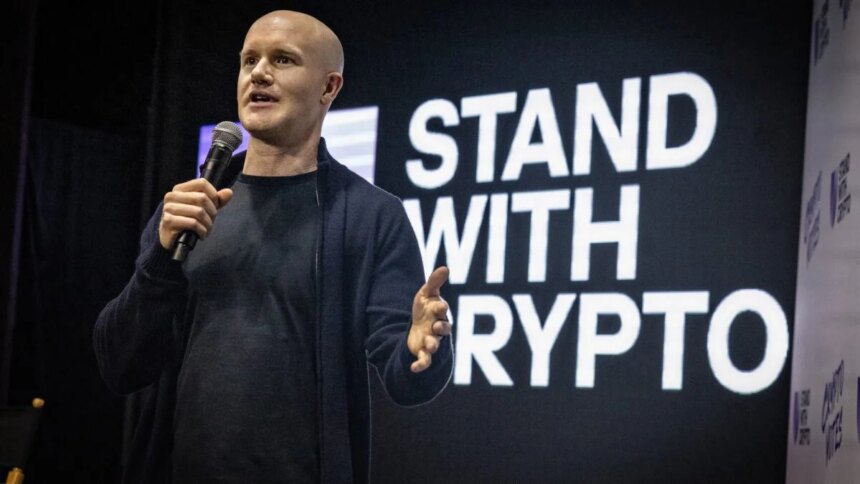
In a notable turn of events, Coinbase CEO Brian Armstrong has positioned himself as a key player in lobbying efforts, indicating a shift in power dynamics within the industry as he withdrew support for an initial draft of the CLARITY Act. This development sparked a public clash with JPMorgan CEO Jamie Dimon, who questioned Armstrong’s stance on crypto regulation, showcasing the evolving debates surrounding the future of cryptocurrency in the U.S. political and regulatory arena.