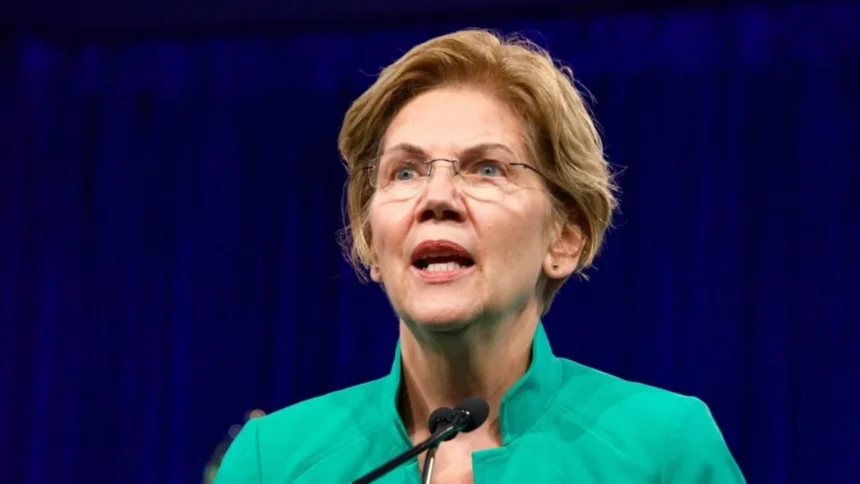
In a recent development, Senator Elizabeth Warren (D-Mass.) has intensified her campaign for stronger cryptocurrency legislation aimed at preventing former President Donald Trump and his family from profiting off the digital asset sector. This move follows alarming disclosures that revealed Trump’s cryptocurrency ventures generated an income exceeding $1 billion in 2025.
Warren is advocating for provisions in the Clarity Act, pending a Senate floor vote, that specifically address the potential for financial gain by the Trump family in the cryptocurrency market. She stated that it is crucial for the upcoming legislation to include safeguards against such profits, emphasizing the need for accountability.
These discussions gained traction after notable figures, including financier Steve Rattner, highlighted the financial ramifications of the Trump family’s involvement in cryptocurrency. Rattner pointed out that not only were Trump’s sons, Donald Jr. and Eric, cashing in on lucrative ventures, but they partnered with the Witkoff brothers in a crypto initiative that reportedly netted at least $1.1 billion for both families.
Investment manager Lawrence Lepard observed that the recent financial disclosures could pose a potential political backlash against cryptocurrencies if the Democrats were to regain power. He criticized the current situation, suggesting it reveals a concerning trend in the intertwining of politics and finance under Trump’s administration.
Additionally, former Trump White House lawyer Ty Cobb has voiced strong criticism, comparing Trump’s financial gains from cryptocurrency to an unprecedented level of corruption. He remarked that the situation represents “the greatest onslaught of corruption in the history of mankind,” highlighting the ethical implications of the former president’s substantial earnings from this emerging sector.
According to the financial disclosures made public, Trump’s cryptocurrency earnings for 2025 included around $520 million from the sale of tokens associated with World Liberty Financial, along with more than $635 million earned in royalties from the Official Trump memecoin. The filings also indicated over $1.8 million in rewards from staking Ethereum and Bitcoin holdings exceeding $50 million.
In response to the growing scrutiny, a White House spokesperson defended Trump’s actions, asserting that they align with the “best interest of the American people.” They dismissed allegations of conflict of interest, characterizing media narratives around the issue as recycled and partisan in nature.
This heated debate sheds light on broader discussions concerning the regulation of cryptocurrencies, particularly in the context of political figures and their financial interests. The outcomes of the proposed legislation may significantly influence both the cryptocurrency landscape and perceptions of ethical governance moving forward.