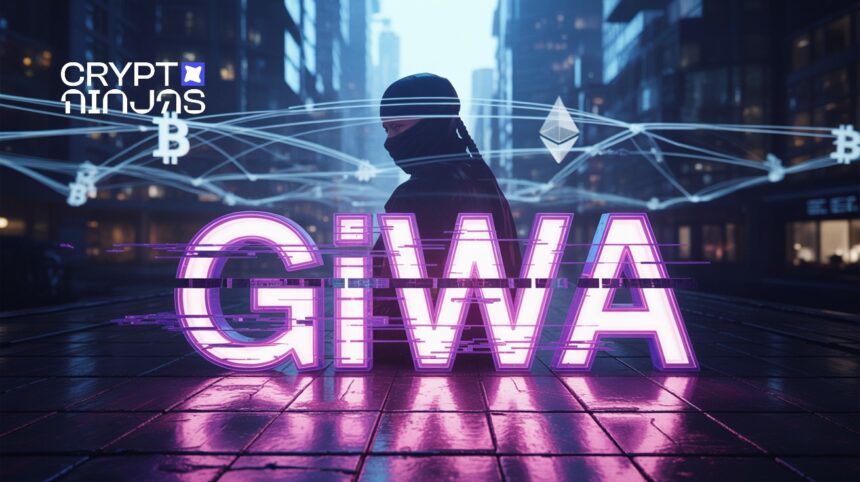
South Korea’s largest cryptocurrency exchange, Upbit, is poised to unveil a groundbreaking project known as “Giwa,” which is expected to be a new Layer-2 blockchain. The anticipation surrounding this initiative has escalated as details are set to be revealed at the upcoming Upbit Developer Conference (UDC).
In the lead-up to the conference, Upbit launched a teaser website featuring a live countdown alongside the tagline “trusted structure, not just shape.” Although the site provides minimal information, it is directly linked to the UDC, where industry observers expect a formal unveiling of Giwa. This initiative signifies Upbit’s ambition to expand its role beyond being merely an exchange; it aims to build foundational infrastructure within the blockchain space.
The nature of Giwa—whether it will be a Layer-1 or Layer-2 blockchain—remains under speculation. However, preliminary indications and the existing regulatory environment lean towards its classification as a Layer-2 solution. This design could enhance scalability and transaction speed, positioning Giwa favorably in the crowded blockchain landscape.
Analysts suggest that Giwa may serve as a stablecoin liquidity platform for South Korea, a development that could satisfy burgeoning demand among retail users and institutional players interested in regulated Web3 frameworks. If Giwa succeeds in creating a reliable and interoperable environment for issuing and redeeming stablecoins, it could significantly elevate South Korea’s profile in the regional crypto liquidity market. This aligns with a broader global trend of exchanges launching proprietary blockchains to better manage liquidity and user experience.
The strategic timing of Giwa’s introduction coincides with the rapidly growing adoption of cryptocurrencies in South Korea, characterized by high trading volumes and a retail-centric ecosystem. With existing exchanges like Upbit exerting substantial influence—where token listings often lead to pronounced price movements—the launch of its own blockchain could further bolster Upbit’s market position. This move would allow the exchange to exercise greater control over market dynamics by effectively operating both as an exchange and the underlying blockchain infrastructure.
Giwa could also catalyze the creation of a domestic Web3 hub, offering retail users and institutions a localized entry point into the digital asset landscape. Enhanced interoperability would be vital, particularly if Giwa enables connections with other Layer-2 networks or integrates with the Ethereum ecosystem. This strategy mirrors initiatives taken by other prominent exchanges, such as Binance and Coinbase, which have successfully leveraged blockchain development to broaden their operational scope beyond trading.
From a regulatory perspective, South Korea’s stringent legal framework for cryptocurrency operations may favor the adoption of a Layer-2 structure. Such a design could facilitate compliance without the extensive regulatory hurdles associated with a full Layer-1 blockchain. Giwa could, therefore, not only enhance transaction efficiencies but also bolster security while integrating seamlessly into the existing infrastructure.
In the crypto community, the teaser for Giwa has ignited considerable discussions across various forums and social media platforms. Many traders express optimism that Upbit’s venture into blockchain development will introduce new liquidity channels, potentially influencing token prices on the platform. Observers liken this enthusiasm to the excitement surrounding Coinbase’s Base Layer-2 announcement earlier in 2023, which emerged as a notable liquidity point.
All eyes are now set on the Upbit Developer Conference, where the full scope, design, and technical aspects of Giwa are expected to be presented. Speculation continues to abound regarding whether Giwa will primarily focus on stablecoin infrastructure or serve as a broader catalyst for South Korea’s burgeoning crypto ecosystem. Regardless of its final structure, Giwa stands as one of the most pivotal blockchain developments anticipated in South Korea’s digital asset market this year.