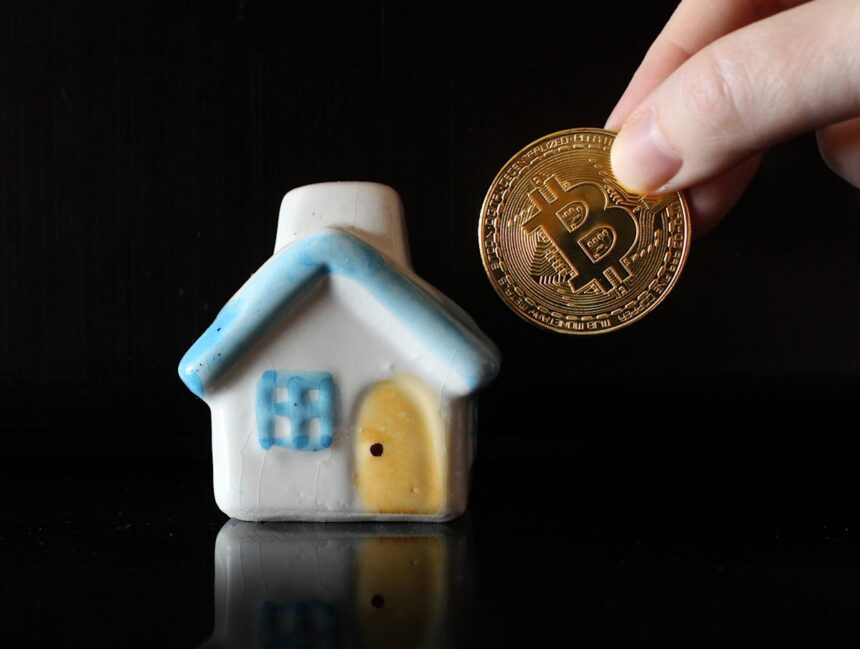
Bitcoin is increasingly being considered for use in traditional real estate transactions in the UK, prompting discussions around the possibility of utilizing the digital asset as collateral for mortgages. As both investors and homeowners explore the feasibility of bitcoin-backed mortgage options, notable industry experts indicate that this innovation is closer than many may think, despite facing significant hurdles.
A decade ago, acquiring an average home in the UK would necessitate over 1,000 bitcoins; however, that figure has dropped dramatically to roughly 3.9 bitcoins today, largely due to the cryptocurrency’s explosive value change. This shift signals that bitcoin holders might soon be able to leverage their crypto assets to invest in real estate. Sources from the financial sector highlight that lending against bitcoin is already a reality, with well-known platforms like Ledn facilitating loans in this domain. Additionally, some private lenders have reportedly helped clients utilize their bitcoin for property purchases. A notable example includes Australia’s approval of its first bitcoin-backed mortgage, a development sparked by a favorable court ruling.
Despite these advances, experts caution that incorporating bitcoin in mortgage agreements presents complexities that differ from temporary crypto loans. Lucas Schweiger, a digital asset research manager at Sygnum Bank, pointed out that the long-term nature of mortgages necessitates stable collateral values over extended periods. Current regulations and economic practices do not yet recognize bitcoin as suitable collateral, and clearer rules are needed to foster wider acceptance among lenders.
Nonetheless, optimism persists within the industry. Proposals for bitcoin reserve bills are emerging in various U.S. states, and major financial institutions are laying the groundwork for bitcoin-backed lending frameworks. With bitcoin’s market capitalization approaching $2.5 trillion, its characteristics are positioning it alongside the world’s most valuable assets. Its limited supply, combined with its recorded ability to retain purchasing power compared to traditional currencies, enhances its attractiveness as collateral.
One of the critical challenges remains the inherent price volatility of bitcoin. To mitigate this risk, lenders often maintain conservative loan-to-value (LTV) ratios, typically between 30% to 50%, deploying strict margin calls or automated liquidation triggers to safeguard against abrupt market fluctuations. Despite bitcoin’s tendency to trade significantly more than most assets, its recent trend toward reduced volatility strengthens its potential as a reliable collateral asset, provided that risk management strategies are diligently employed throughout the loan duration.
Growing interest from financial institutions further signals a shift toward embracing bitcoin. With entities like BlackRock showcasing cryptocurrency in their tokenized money market funds and some banks actively developing bitcoin lending systems, it seems probable that once a major bank spearheads bitcoin-backed loans, others will quickly follow suit. The appeal of borrowing against bitcoin lies in the avoidance of immediate sales, which could trigger tax liabilities. According to Schweiger, the advancement of regulatory clarity will likely lead to increased offerings of products utilizing bitcoin as collateral, with real estate financing potentially emerging in regions with more lenient rules.
However, the regulatory landscape in the UK presents a key factor that could influence the pace of adoption. Alex Guts, CEO of Banxe.com, emphasized that while the UK is not against cryptocurrencies, a lack of clear regulatory frameworks inhibits broader integration. For banks to confidently accept bitcoin as collateral, formal recognition from regulatory bodies like the Financial Conduct Authority (FCA) is essential.
Amidst these considerations, Guts also pointed out that borrowers could face risks if both property values and bitcoin prices drop concurrently, potentially leading to compounded financial loss. To cushion against this, lenders may implement conservative LTV ratios and diversified collateral strategies.
Looking ahead, predictions suggest a gradual rollout of bitcoin-backed mortgage options, with some believing that initial adoption could appear within the next five years, coupled with the establishment of a new crypto regulatory regime around 2026. Full mainstream acceptance by traditional banks may require a longer timeframe as confidence in the market and technology evolves.
Experts are increasingly confident that the infrastructure for bitcoin-backed lending is in place, but widespread acceptance hinges on clarifying regulations and establishing lender trust in the asset’s stability. Should these developments unfold successfully, both investors and homeowners could soon find themselves equipped to unlock liquidity from their bitcoin holdings, facilitating the acquisition of tangible assets like homes while maintaining their connection to the cryptocurrency’s long-term growth potential.