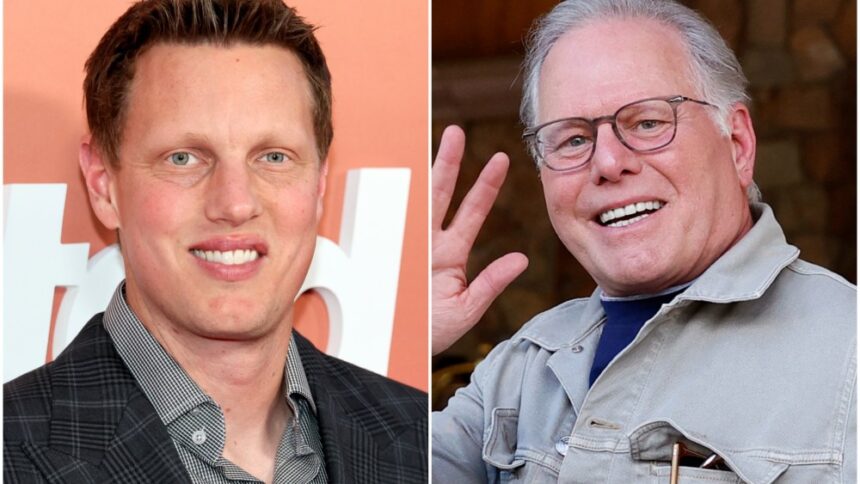
In a significant development within the media landscape, David Ellison’s Skydance Media, having recently completed an $8 billion acquisition of Paramount Global, is now contemplating an ambitious move to acquire Warner Bros. Discovery (WBD) in its entirety—a deal estimated to exceed $70 billion. This comes just as the merged entity of Paramount Skydance is in the midst of laying off approximately 2,000 employees to streamline operations and cut costs.
The timing of this potential transaction raises several questions, particularly in light of WBD’s plans to separate into two distinct entities by April 2026. This split aims to enhance the value of its streaming and studio divisions while leaving the dwindling TV network sector to a separate company. Analysts speculate that a focused bid for the standalone Warner Bros., which would include HBO Max, may allow Skydance to avoid the financial burden associated with the conventional television side of WBD.
Industry analysts, such as Robert Fishman from MoffettNathanson, suggest this move may be part of a broader strategy to consolidate media assets amid ongoing turbulence in the industry. By acting early, Skydance could effectively sidestep a potential bidding war post-split, positioning itself to secure valuable assets before competitors can take action.
Following initial reports of Skydance’s interest in WBD, shares in Warner Bros. Discovery surged by 29%. However, the existing debt load of the company, reportedly around $31 billion, complicates any potential acquisition. The enterprise value, when factoring in this debt, stands at approximately $71 billion, significantly higher than what Skydance paid for Paramount.
Despite the financial hurdles, some analysts believe a merger could result in substantial synergies, especially in combining TV operations and leveraging existing partnerships between networks. However, there are concerns that such a merger may face intense scrutiny and potential regulatory challenges, differing from the relatively straightforward merger of Skydance and Paramount.
Regulatory hurdles could intensify, especially given the current political landscape. Lawmakers, including Senator Elizabeth Warren, have voiced opposition to further media consolidation, arguing it could lead to an unhealthy concentration of power in the industry. Previous deals have already been contentious, with allegations about potential collusion during the merger approval process.
Should the deal for WBD materialize, it could further reshape the media landscape, potentially benefiting Warner Bros. by bringing in a significant portfolio of content while paradoxically battling criticism regarding market concentration. As the industry continues to navigate this period of change, it appears that figures like Zaslav anticipate a favorable environment for consolidation in the near future, potentially facilitated by shifting political dynamics.