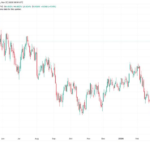
In a significant development for the cryptocurrency market, a group of large investors known as “accumulator” whales have acquired a substantial amount of Bitcoin, purchasing 75,000 BTC in just over a week from December 1 to 10. This surge in buying activity is particularly noteworthy as it coincides with increasing losses among short-term holders, indicating a potential transfer of wealth to more resilient long-term investors. The data, shared by CryptoQuant analyst DarkFrost, highlights that of the total BTC acquired, an impressive 40,000 BTC was bought in a single day.
These accumulator wallets, defined by their strict on-chain criteria, are characterized by having no selling history, a high threshold for purchases, multiple inflows, and a lack of connections to exchanges, miners, or smart contracts. Despite this bullish accumulation trend, the market is experiencing significant stress, with short-term holders reportedly facing losses of 20-30%. Derek Lim, head of research at crypto market-making firm Caladan, noted that this accumulation by long-term holders is historically indicative of a wealth transfer amid short-term pain.
The broader crypto ecosystem is feeling the strain, with unrealized losses across the sector climbing to approximately $350 billion. Of this, Bitcoin alone accounts for nearly $85 billion in unrealized losses. According to blockchain analytics firm Glassnode, multiple on-chain indicators suggest a shrinking liquidity environment, potentially ushering in a period of heightened volatility in the coming weeks.
A critical question arises regarding the recent actions by the Federal Reserve, which has initiated a new $40 billion monthly Treasury bill purchase program. While this move offers technical support to the market, experts caution that it is not sufficient to address the excess liquidity needs required for a strong rally in the cryptocurrency space. Lim emphasized that the Fed’s primary goal is to prevent the banking system from seizing up rather than to generate the liquidity that crypto markets sorely need.
The holiday season may also contribute to liquidity constraints, with factors such as thin order books and year-end tax-loss harvesting further complicating the market landscape. Analysts remain cautious but hopeful, suggesting that despite the existing pressures, the macroeconomic environment may gradually favor a looser monetary stance.
Peter Chung, head of research at Presto Research, expressed a belief that the market will gradually reflect the effects of this looser monetary environment. He anticipates a “low-liquidity run-up,” predicting that buying interest will outpace selling pressure, particularly in light of projected cumulative rate cuts into 2025 and the Fed’s liquidity initiatives.
Similarly, Ryan Yoon, a Senior Research Analyst at Tiger Research, underscored the challenges facing Bitcoin’s short-term price performance, noting that it is unlikely to approach the active investor cost basis of $89,000 in the near term. He pointed out that Bitcoin typically weakens following rate cuts but exhibits a tendency to rebound as economic momentum picks up.
Currently, Bitcoin is trading at $92,250, reflecting a 2.4% increase over the past 24 hours, according to CoinGecko data. While the market navigates these complex dynamics, the activity of accumulator wallets and broader liquidity trends will be crucial in determining the digital asset’s trajectory in the near future.