In a significant move signaling its political aspirations, the artificial intelligence and cryptocurrency industries faced early setbacks in the recent Illinois primaries. These tech firms had invested millions of dollars in the state’s Democratic races, aiming to support candidates who would favor less stringent regulations on the disruptive technologies reshaping the economy and personal finance.
These companies leveraged super PACs, which are permitted to spend unlimited funds, to fuel their campaign efforts. Their advertising efforts and campaign materials primarily focused on broader issues, such as opposing former President Donald Trump and advocating progressive policies, a tactic similar to that employed by other influential organizations.
However, the strategy did not shield the tech sector from scrutiny as their involvement sparked considerable controversy in a fiercely competitive primary season characterized by an unusual number of open seats.
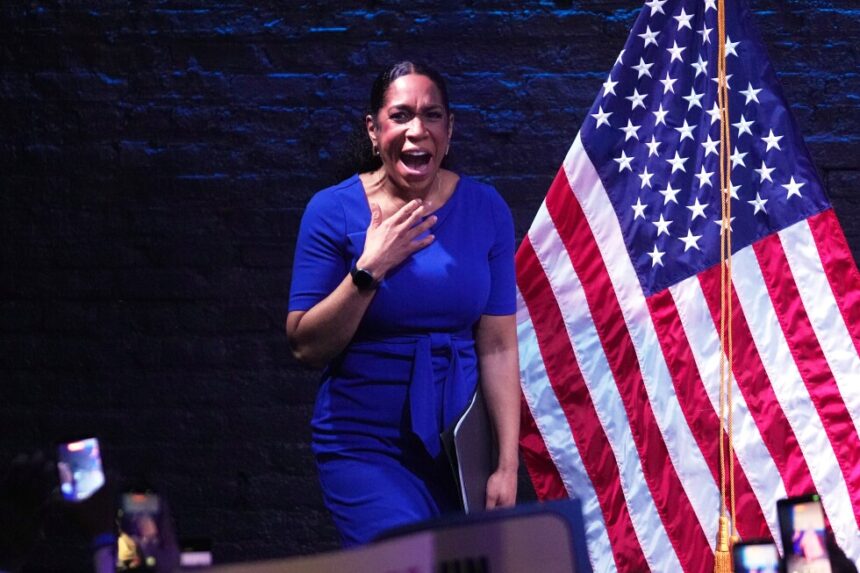
The political action committee Fairshake, backed by cryptocurrency interests, poured over $10 million into opposing Illinois Lieutenant Governor Juliana Stratton, who ultimately secured the Democratic nomination to succeed Senator Dick Durbin. Fairshake, along with another crypto-aligned group, Protect Progress, also invested heavily in promoting Stratton’s rivals, U.S. Representatives Raja Krishnamoorthi and Robin Kelly, though to no avail.
In the race for U.S. House seats, the funding from tech-supportive groups yielded mixed outcomes. State Representative La Shawn Ford, who advocated for legislation regulating both AI and cryptocurrency, won the Democratic primary to succeed U.S. Representative Danny Davis, despite Fairshake’s nearly $2.5 million effort against him. Similarly, Cook County Commissioner Donna Miller triumphed in her primary to succeed Kelly, while Fairshake spent upwards of $800,000 opposing state Senator Robert Peters, another progressive figure pushing for crypto regulation.
The involvement of AI-backed groups also created a complicated narrative. The Think Big PAC, which supports candidates against stringent regulations, invested over $1 million to promote Jesse Jackson Jr., a former congressman with a controversial past. Conversely, the Jobs and Democracy PAC, funded by AI company Anthropic, dedicated around $1 million toward negative advertisements against him. Both PACs aligned against progressive candidates advocating for regulation and increased taxation on the affluent.
Despite the tumultuous landscape, former Congresswoman Melissa Bean emerged victorious in her quest to reclaim her old seat, supported by approximately $1 million from AI-affiliated groups. Advocates of Bean’s campaign emphasized her commitment to developing a national regulatory framework for AI that fosters innovation while ensuring safety.
As nearly $20 million flooded into Illinois races late in the primaries, the tech industry’s political ambitions were made undeniable. The infusion of corporate funds raised questions regarding the sincerity of the candidates’ progressive values versus their financial backers. Critics, such as Adam Green from the Progressive Change Campaign Committee, cautioned against corporate interests disguised as progressive ideals.
Political experts highlighted the uncertainty surrounding the technology sector’s influence, noting that public sentiment about these emerging industries remains largely undefined. Voters express reservations toward technology, yet the complexities of their impacts and regulatory needs leave many unsure of their stances.
As these political dynamics continue to evolve, the true implications of the tech industry’s involvement in American politics remain to be seen.