In a dramatic turn of events during the Illinois primaries, the artificial intelligence (AI) and cryptocurrency sectors faced significant setbacks, illustrating the challenges technology firms encounter as they attempt to influence American politics. These industries invested millions in Democratic primary races, targeting candidates who they believed would advocate for lenient regulations on their technologies, which have begun transforming various aspects of everyday life.
The tech firms utilized super PACs, which are permitted to spend unlimited amounts of money, to saturate the airwaves with advertisements and campaign materials that only indirectly referenced their interests. Instead, the messaging emphasized commitments to combating the policies of former President Donald Trump and backing broader progressive agendas. This approach, reminiscent of strategies employed by groups such as the American Israel Public Affairs Committee, did not prevent the industry’s maneuvers from igniting controversy in the fiercely contested Illinois primaries.
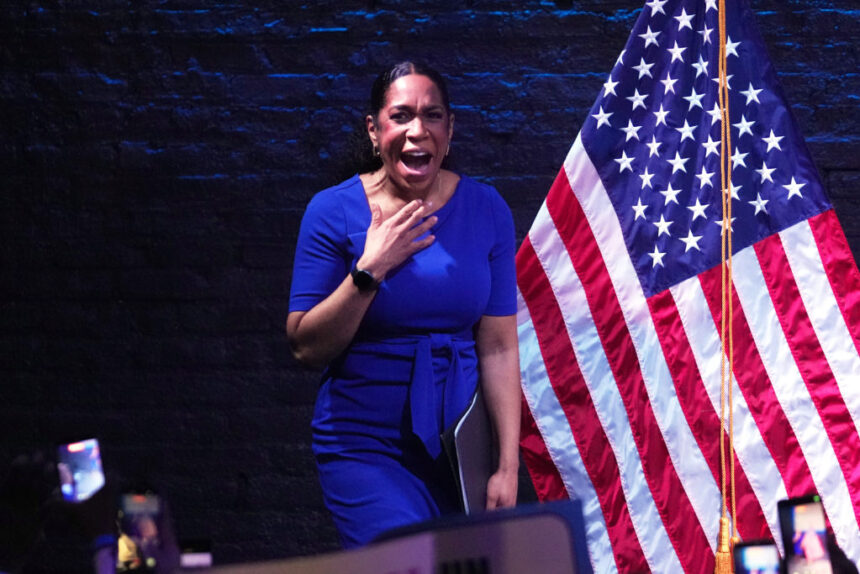
Fairshake, a political action committee associated with the cryptocurrency industry, invested more than $10 million in a bid to unseat Illinois Lt. Gov. Juliana Stratton. However, Stratton ultimately secured the Democratic nomination to succeed retiring Senator Dick Durbin. Fairshake, along with another crypto affiliate, Protect Progress, also poured significant resources into campaigns supporting Stratton’s rivals, U.S. Representatives Raja Krishnamoorthi and Robin Kelly, though to no avail.
The results were mixed in the Illinois U.S. House primaries. State Rep. La Shawn Ford, who advocated for legislation regulating the AI and crypto sectors, won his primary despite facing nearly $2.5 million in opposition from Fairshake and other groups. Cook County Commissioner Donna Miller also emerged victorious after Fairshake spent over $800,000 attempting to undermine state Senator Robert Peters, another progressive proponent of cryptocurrency regulation.
In a separate factional battle, AI-affiliated spending represented a dividing line in another race. The Think Big PAC, which supports former congressman Jesse Jackson Jr., invested over $1 million to boost his candidacy, while Jobs and Democracy PAC, another AI-backed organization, countered with a similar level of negative campaigning against him. These dynamics highlighted the internal conflicts within the tech sector, with opposing views on regulatory policies complicating their electoral strategies.
A notable victory for the AI industry was the nomination of former congresswoman Melissa Bean, who received about $1 million in support from AI-affiliated groups. Advocates for her campaign highlighted her alignment with the need for a national regulatory framework on AI, aiming to balance innovation with safety concerns.
As these political battles unfold, the nearly $20 million in late-stage financial investments underscore the ambition of the technology sectors to reshape political landscapes during important elections. Analysts and activists express concern about the implications of corporate money in politics, questioning the genuine commitment of candidates to progressive values.
Political experts maintain that public sentiment towards these industries remains uncertain, and voters are still grappling with how to assess candidates based on their stances on AI and cryptocurrency policies. The interplay between corporate influence and the Democratic Party’s direction raises important questions about the future of political engagement and representation within the context of rapidly evolving technologies.