At a recent AI event hosted by Cisco, Nvidia’s founder and CEO Jensen Huang voiced a strong opinion about the integration of AI in the software sector, suggesting that the notion of AI replacing traditional software tools is misguided. Huang asserted, “If you were a human or robot, artificial or general robotics, would you use tools or reinvent tools? The answer, obviously, is to use tools.” He emphasized that the latest breakthroughs in AI are focused on enhancing tool use rather than reinventing the wheel.
However, despite Huang’s confidence, the stock market seems to be reacting differently. Investors are increasingly wary, believing that major software companies like Salesforce, Workday, and SAP face serious risks as AI technology rapidly advances. Recent events have underscored this sentiment, particularly following Anthropic’s unveiling of new plugins for its Claude Cowork agent. These plugins are designed to automate tasks in sectors including law, marketing, and data analysis, igniting concerns that traditional software models will soon become obsolete.
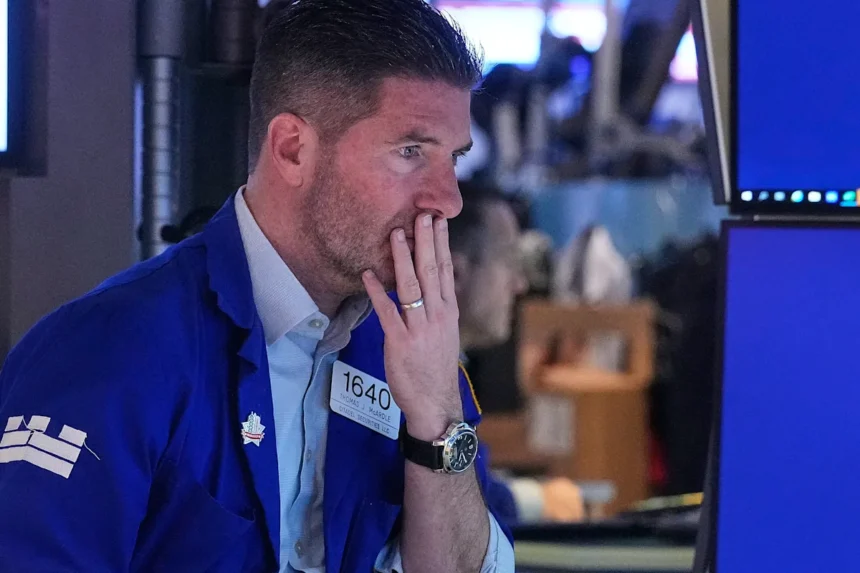
The repercussions on the market have been stark, with shares from several companies, including Thomson Reuters and Legalzoom, plummeting by double-digit percentages. The US Software index itself saw a nearly 5% decline, marking a significant drop across the board with just 9 stocks rising against 104 decliners.
Deutsche Bank strategist Jim Reid noted a shift from an “AI euphoria” to a more cautious outlook, with increasing differentiation observed among companies as fears grow about potential disruptions to established business models. As this cycle of concern unfolds, investors are left contemplating the future trajectory of the software sector.
Further complicating the landscape is the belief that companies like Anthropic are only beginning to innovate, which poses a direct threat to larger, established software firms. Their leadership, the Amodei siblings, are likely to leverage these advancements to drive up value for Anthropic investors, showing little regard for the setbacks faced by traditional software companies.
The general sentiment in the market suggests that the downturn in software stocks may continue until the risks to their long-term viability are fully accounted for. As noted by Evercore’s Kirk Materne, there’s a growing bearish narrative surrounding software, especially with every AI advancement perceived as a new threat. He emphasized that while the sector typically outperforms the S&P after hitting rock bottom, the challenging question remains: how much more pain will investors endure before optimism returns?
As the situation evolves, the technology market is on edge, grappling with the implications of AI and the resilience of software giants in a rapidly changing landscape.