The rise of artificial intelligence in trading has sparked significant debate, particularly regarding the limitations of current AI trading bots. Recent discussions highlighted that many AI models, primarily based on historical data, struggle to handle unprecedented market events. This was notably emphasized by Gracy Chen, CEO of Bitget, during a panel on agentic trading bots at Consensus Hong Kong 2026.
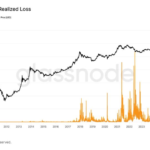
Chen pointed out that current historical data-driven AI models were caught off guard by major market events, such as significant liquidations that occurred on October 10 and severe selloffs witnessed in recent weeks. She noted that these models have never encountered such drastic market fluctuations before, making them seem “very unfamiliar” in these situations. The implication is clear: increased human intervention is critical to navigate such unpredictable market dynamics effectively.
“Current AI bots are a bit like an intern: faster, cheaper, but needs a little supervision,” Chen remarked, highlighting the transitional state of AI trading technology. Despite the rapid advancements in complex large language models (LLM) and machine learning, many experts argue that a human touch remains crucial, particularly during volatile trading conditions.
Chen also suggested that the trajectory of AI could lead to a future where these bots evolve from being mere assistants to becoming “full employees” in the trading landscape within the next three to five years. This evolution stirs concern among industry professionals and traders alike, as many foresee substantial job displacement in the sector.
Joining Chen on the panel, Saad Naj, founder and CEO of the agentic trading startup PiP World, agreed that while AI technology is advancing, it is still in its infancy. He acknowledged the risks associated with this nascent technology, particularly when considering that around 90% of day traders and retail market participants ultimately incur losses. “As humans, we are too emotional. We can’t compete with AI solutions,” Naj stated, reflecting a growing sentiment among traders about the challenges posed by AI and the necessity of maintaining a balance between human intuition and technological advancement.
As the cryptocurrency market continues to experience volatility, the ongoing dialogue regarding the capabilities and limitations of AI in trading seems poised to shape its future substantially. With financial markets becoming increasingly unpredictable, the role of human oversight could prove essential in ensuring that AI trading solutions are not only efficient but also resilient to unexpected shocks.