Aid deliveries to Gaza are significantly falling short of expectations set by a recent U.S.-brokered ceasefire agreement, raising serious concerns among humanitarian organizations regarding the impact on the strip’s 2 million residents. Analysis of Israeli military data reveals that, contrary to the agreement’s provision for 600 trucks of aid daily, only an average of 459 trucks have entered Gaza since the flow resumed on October 12.
According to COGAT, the Israeli military body responsible for coordinating aid, approximately 18,000 trucks of food aid have entered Gaza since the ceasefire began, accounting for about 70% of total aid deliveries. This, however, leaves the overall number of trucks that have crossed into Gaza at just over 25,700, falling well short of the expected 33,600 by the designated date. Although COGAT maintains that daily truck entries exceed the stipulated amount, it has not provided detailed data to substantiate these claims.
Historically, COGAT regularly reported daily entries before the ceasefire; however, it ceased these updates once the truce was established. Observers suggest that this decision reflects the body’s control over the crossings and its exclusive access to track aid volumes. In stark contrast, the United Nations reports that only 6,545 trucks have been unloaded at Gaza crossings since the ceasefire, averaging about 113 trucks per day, which does not account for aid delivered by organizations outside of the U.N. network.
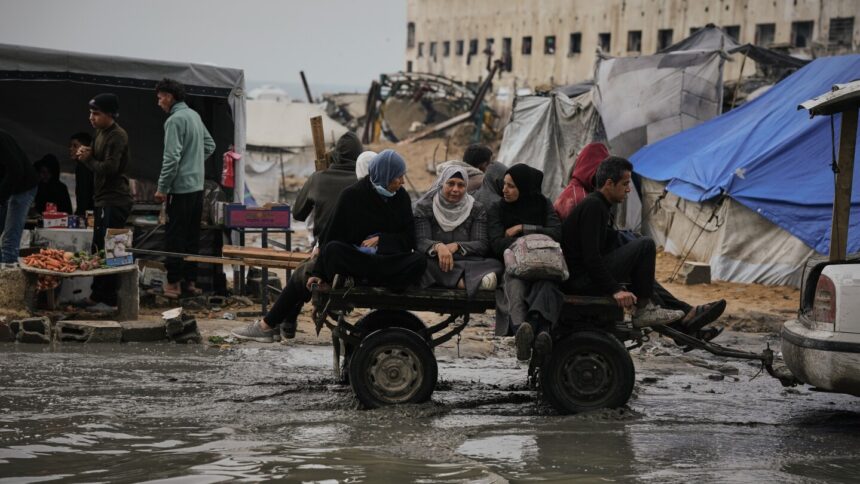
The humanitarian situation in Gaza continues to worsen, with groups like UNICEF highlighting a severe need for increased aid. Reports indicate that food scarcity remains a critical issue, with many residents, particularly the displaced, struggling to meet their basic needs. Disturbingly, incidents of malnutrition have increased, with some mothers giving birth to malnourished infants, raising alarm over the dire state of maternal and child health in the region.
As temperatures drop with the onset of winter, many families are left vulnerable, living in makeshift accommodations and relying on firewood for warmth and cooking. In Jabaliya, for example, residents have described their struggles to stay warm and prepare meals, resorting to burning old sponges and collecting wood amidst the debris of their homes.
The ceasefire has faced challenges from both sides, including accusations from Hamas regarding slow aid deliveries and Israel’s claims of violations by Hamas, particularly concerning hostages. With ongoing operations related to the recovery of one final hostage, tensions remain high, complicating the adherence to truce agreements.
Regional and international pressure is mounting for improved border oversight and aid protocols. Meanwhile, discussions around the governance of Gaza and infrastructure rebuilding are underway, with the U.S. signaling potential developments regarding a “Board of Peace” intended to oversee said efforts.
Tragedy struck recently in a Gaza refugee camp, as a 17-year-old Palestinian teen was reportedly killed by an Israeli tank. The military confirmed the incident related to an alleged militant crossing the delineated boundary but offered little further detail.
The current humanitarian crisis in Gaza underscores the urgent need for sustained and enhanced aid flow as winter conditions worsen and the cycle of conflict continues, emphasizing the critical importance of adherence to ceasefire terms and international cooperation in addressing the needs of the affected population.