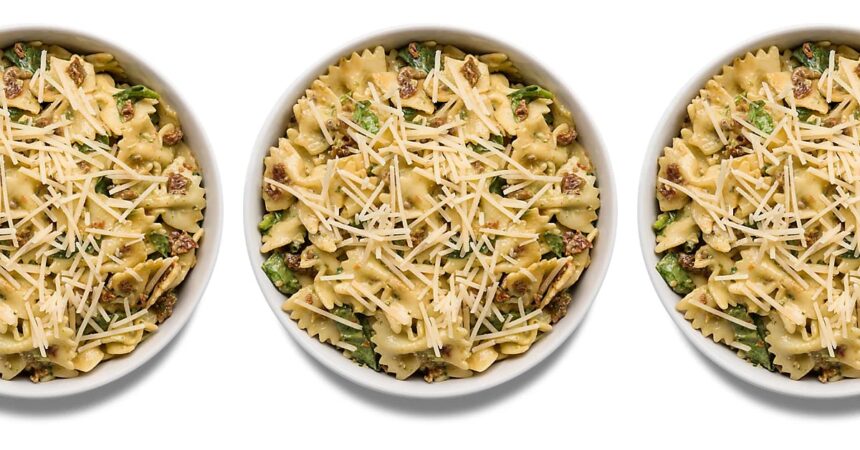
Albertsons has announced a voluntary recall of multiple deli and ready-to-eat items sold in its stores, including Albertsons, Safeway, and Vons. The recall stems from potential contamination with Listeria monocytogenes, a pathogenic bacterium known to cause serious health issues, particularly among vulnerable populations. While the company reports no illnesses linked to the affected products, consumers are advised to act swiftly if they have purchased the items.
The recall specifically affects five deli products associated with a contaminated bowtie pasta ingredient produced by Nate’s Fine Foods. In collaboration with distributor Fresh Creative Foods, Albertsons is urging customers to refrain from consuming these items. Instead, they should either dispose of them or return them for a full refund at any store location.
The recalled products were distributed across a range of states, affecting various Albertsons-owned locations. Consumers can check a list of affected items by looking for specific product names, UPC codes, sizes, and sell-through dates. For instance, products like “Ready Meals Pesto Bowtie Pasta Salad” and “Basil Pesto Bowtie Pasta Salad” have varying sell-through dates from September 8 to September 29, 2025.
Health officials continue to monitor listeria concerns beyond Albertsons, particularly in light of recent warnings involving other retailers. The U.S. Department of Agriculture (USDA) recently issued alerts regarding Trader Joe’s “Cajun Style Blackened Chicken Breast Fettuccine Alfredo” and Walmart’s “Marketside Linguine with Beef Meatballs & Marinara Sauce,” both of which have ties to the same pasta supplier. Although these products have not been formally recalled, both retailers are encouraging customers to return or discard the affected items.
Listeria monocytogenes is particularly concerning because it can survive at refrigerator temperatures, making it difficult to control and sanitize once it contaminates food. The U.S. Food and Drug Administration (FDA) emphasizes the importance of thorough cleaning of kitchen surfaces, utensils, and other items that may come into contact with contaminated foods.
Although many healthy individuals may only experience mild symptoms, listeria infections can pose serious risks to specific demographics, such as pregnant individuals, newborns, the elderly, and those with weakened immune systems. Severe cases can lead to complications like meningitis or septicemia. Symptoms may include fever, chills, muscle aches, and confusion—often taking days to manifest after exposure.
According to the Centers for Disease Control and Prevention (CDC), listeria affects around 1,600 Americans and is responsible for approximately 260 deaths each year, making it one of the more serious foodborne illnesses. While less frequent than salmonella or E. coli outbreaks, listeria is commonly linked to ready-to-eat foods, necessitating prompt action by companies like Albertsons.
To mitigate risks, consumers are advised to practice good food safety habits. This includes washing raw produce thoroughly, cleaning hands and surfaces regularly, and keeping ready-to-eat foods separate from raw meats. Vulnerable populations should also avoid high-risk foods such as unpasteurized dairy, refrigerated smoked seafood, and deli meats unless they are sufficiently reheated.
Regularly checking recall notices from organizations like the FDA or USDA can help consumers stay informed and respond quickly to any food safety issues in their homes.