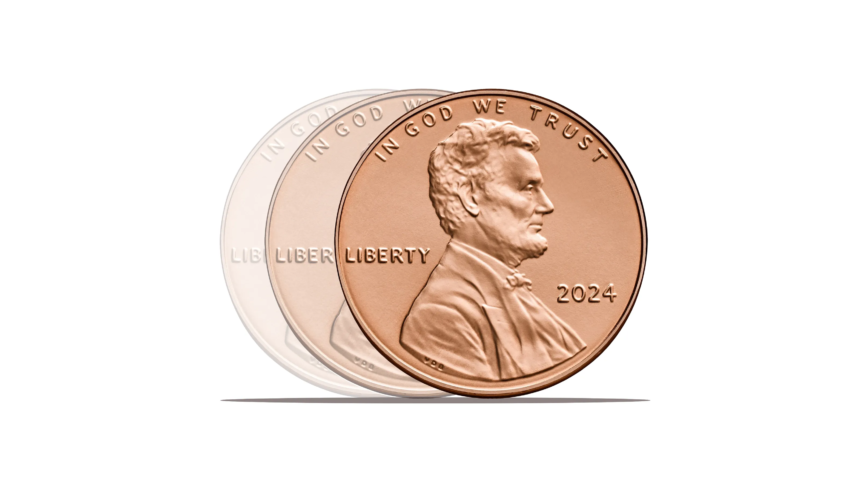
In a historic turn of events, the United States Mint ceased production of the penny, marking the conclusion of a coin generation that began in 1793. The last penny was struck in Philadelphia on November 12, 2022, signaling a significant change in the nation’s currency landscape. As the nation grapples with this change, some retailers are already running low on pennies, prompting them to adjust cash transactions to the nearest five cents when customers lack exact change.
This transition follows a directive from then-President Donald Trump, who ordered the Treasury Department to halt penny minting in a bid to cut the federal budget. Trump criticized the penny as a financial burden, noting that it cost the government approximately 3.7 cents to produce each penny in the fiscal year 2024, a stark contrast to its face value of one cent. Meanwhile, nickels, which cost around 13.8 cents to manufacture, have become the new focus for circulating currency, raising concerns about further losses to the federal budget due to their higher production costs.
Over the past two decades, the rising prices of raw materials such as copper, nickel, and zinc have greatly increased the cost of producing both pennies and nickels. The coin’s seigniorage—the profit made when coins are minted—has diminished as the production cost often exceeds the value of the coin itself. In fiscal year 2024, roughly 3.2 billion pennies were minted, a decrease from the previous year, while their production and distribution costs surged by 20%.
Despite these changes, the penny remains legal tender and will continue to hold value indefinitely, according to the Treasury Department. As of now, there are estimated to be around 300 billion pennies in circulation, a quantity that far surpasses what is necessary for everyday commerce. The Treasury finalized its last order for penny blanks—metal discs needed for coin production—in May.
The decision to stop minting the penny aligns with the actions of several countries, including Canada, Great Britain, and Australia, which have either eliminated or phased out low-denomination coins. Canada, in particular, stopped producing its penny in 2012, adopting a practice of rounding financial transactions to the nearest five cents.
The debate over the penny has seen backing from various political and financial figures, with even former President Barack Obama weighing in on its relevance in modern economics. As society adjusts to a pennyless future, the implications of this change on everyday transactions and the broader economy continue to unfold.