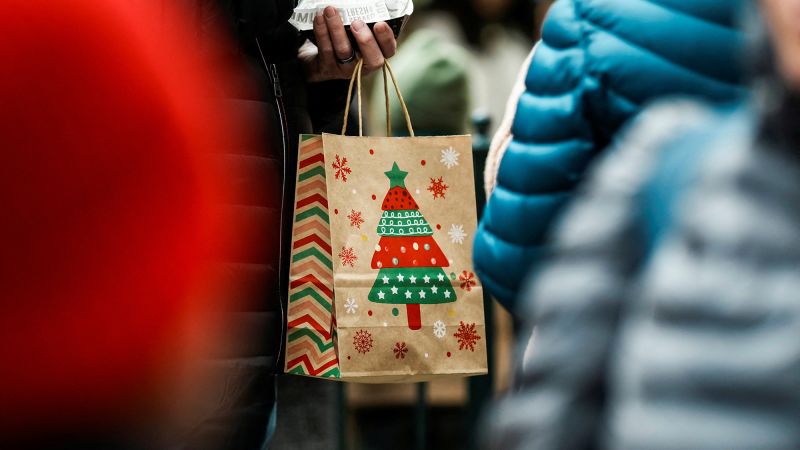
Americans are entering the 2025 holiday shopping season amid mounting frustrations over years of rising prices. Despite general discontent with the economic climate, spending data suggests this season may be stronger than anticipated, at least on the surface.
High-income consumers appear largely unaffected by the affordability crisis, continuing to spend freely, while middle- and lower-income households, although expressing frustration with their financial situations, are also maintaining their spending patterns. This has led to optimistic forecasts for the retail sector, with Mastercard predicting a 3.6% increase in overall holiday spending for the year.
However, this increase in spending is largely attributed to higher prices rather than an actual uptick in sales volume. Vicki Hyman, communications director at Mastercard, noted that inflation will be a significant contributor to this sales growth. As a result, holiday shopping statistics, particularly during prominent shopping days like Black Friday, may project a false sense of economic health.
Joe Wadford, senior economist at the Bank of America Institute, highlighted the dichotomy in how low- and high-income households are experiencing the economy. While high earners enjoy increased financial security, lower-income consumers are feeling the strain, as indicated by recent trends in consumer spending.
The initial days of the holiday shopping season appear promising, with Bank of America reporting a notable increase in early-bird shoppers. The bank noted that consumer deposits are healthier now than in 2019 and that credit and debit card spending rose by 2.4% per household in October 2025 compared to the previous year.
Despite these seemingly positive trends, the picture becomes murkier when examining the nature of the spending. While the dollar amount spent is on the rise, the number of transactions has decreased since January. Consumers are effectively spending more, yet acquiring fewer items as inflation continues to erode purchasing power.
Moreover, market dynamics, including tariffs, are causing shifts in consumer behavior. People have preemptively purchased certain goods, anticipating price increases, which may lead to lower spending during the actual holiday season.
Recent reports from the Federal Reserve reveal that low- and middle-income consumers are becoming increasingly cash-strapped, seeking discounts, and cutting back on spending. Conversely, high-end consumers are continuing their spending spree, particularly on luxury goods and travel.
The disparity in spending habits highlights the existence of a “K-shaped economy,” where wealthier individuals thrive due to gains from investments and increased incomes, while lower earners face rising expenses without a commensurate increase in income. For instance, households earning over $170,000 have seen double-digit growth in their spending, while low-income families have seen only a 1% rise in wages against a 3% increase in prices.
This financial strain is alarming for many, with American Express CEO Stephen Squeri commenting on the notable spending behavior of their wealthier clientele compared to customers of other credit cards. Executives from various major retailers have echoed sentiments of consumer pressure among those earning around $100,000, contrasting the robust spending from wealthier individuals.
Public sentiment reflects this economic divide, with recent polls indicating that a significant majority of Americans have a negative view of the economy, increasing from 67% to 76% since July.
As the holiday season progresses, experts suggest it will likely highlight this K-shaped recovery, where aggregate data might suggest economic health, but a deeper analysis reveals persistent challenges for many households. This duality is expected to shape consumer behavior in the weeks to come, setting the tone for the remainder of the holiday shopping period.