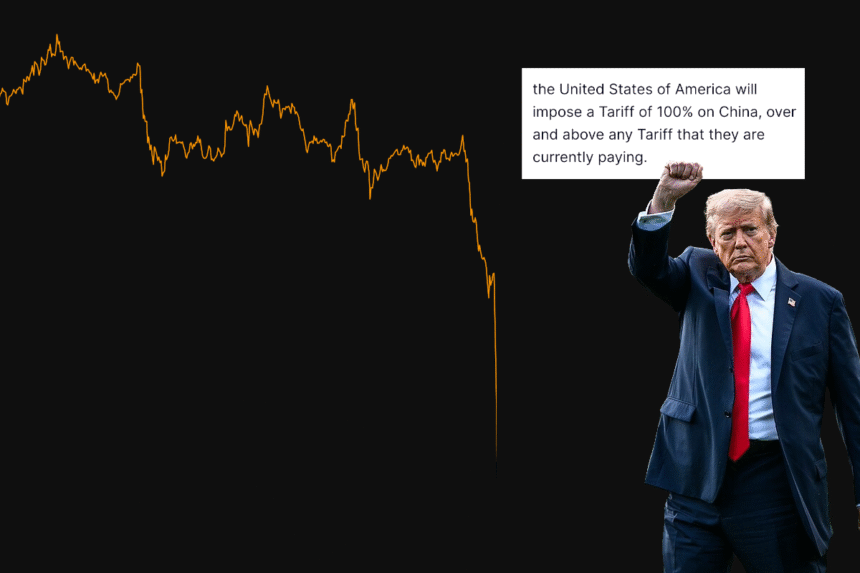
A significant upheaval in cryptocurrency markets unfolded this week, primarily triggered by geopolitical tensions and the inherent vulnerabilities within the crypto ecosystem. On October 10, as traditional stock markets closed, former President Donald Trump escalated the ongoing US-China trade conflict. He threatened a substantial 100% tariff increase on Chinese imports and announced new export controls on software. While this bold move temporarily left Asian markets relatively unscathed, the crypto sector reacted with dramatic implosion.
In a flash crash that lasted mere minutes, Bitcoin plummeted over $10,000 and lost more than 10% of its value instantaneously. This sharp decline not only wiped out approximately $19 billion in leveraged positions but also led to widespread confusion and discontent among traders, exacerbated by glitches on multiple trading platforms. Altcoins experienced even steeper declines, with some like Solana dropping as much as 40%. Several trading firms reported a median price drop of 54% across various crypto tokens, reflecting a chaotic sell-off atmosphere.
Factors contributing to this rapid market decline included a global liquidity crisis, combined with heightened panic as traders began offloading high-risk assets in favor of safer investments like Treasury bonds and gold. Bitcoin’s traditional narrative as “digital gold” faltered under these pressures, diminishing its appeal as a safe haven.
The lack of structural safeguards commonly found in traditional markets became increasingly evident. While traditional equities markets implement circuit breakers to stabilize trading, the crypto landscape lacks such measures, allowing panic selling to spiral out of control unchecked. The 80% collapse in market depth throughout various exchanges exacerbated this volatility, as market makers withdrew liquidity, leading to further price disconnections.
Increased trading activity led to technical glitches across multiple crypto exchanges, with Binance temporarily going offline, and other platforms like Coinbase and Kraken experiencing significant delays and failures. Complaints of unfacilitated trades flooded social media pages, as traders reported failures of automated protections meant to mitigate losses during volatile conditions. Accusations arose that exchanges were prioritizing their own financial safety over that of their users by invoking “technical issues.”
Additionally, the flash crash highlighted the dangers of leverage in crypto trading. Crypto exchanges typically offer wildly higher leverage compared to traditional markets, often exceeding 100x. When Bitcoin prices fell, it triggered a chain reaction of liquidations, as traders found themselves unable to maintain their positions. The ensuing sell pressure caused prices to plummet further, leading to a classic “death spiral.”
To contain the fallout, some exchanges implemented an auto-deleveraging system, which reduced profitable traders’ positions to stabilize struggling ones. This method, while potentially saving exchanges from collapse, inadvertently worsened market conditions by thinning liquidity even more.
The aftermath of this chaotic trading day included scrutiny of a specific wallet, which profited over $150 million by shorting Bitcoin and Ether shortly before the crash, leading to speculation of insider trading linked to Trump’s tariff announcements. Regulatory clarity remains elusive as to who, if anyone, would investigate such actions within a decentralized ecosystem.
While cryptocurrency prices may have stabilized relatively quickly post-crash, the event served as a stark reminder of the sector’s volatility and the systemic risks posed by its loose regulations and structural deficiencies. Retail traders, particularly affected, faced devastating financial losses, with tales of significant despair echoing across social media platforms.
Despite Binance announcing a compensation program aimed at restoring confidence, both retail and institutional traders are left grappling with the consequences of this tumultuous episode. Analysts warn that as cryptocurrencies continue to intertwine with traditional financial systems, future market disruptions could have far-reaching implications. This incident underscores the fragility of the crypto landscape and highlights the urgent need for stronger regulatory frameworks.