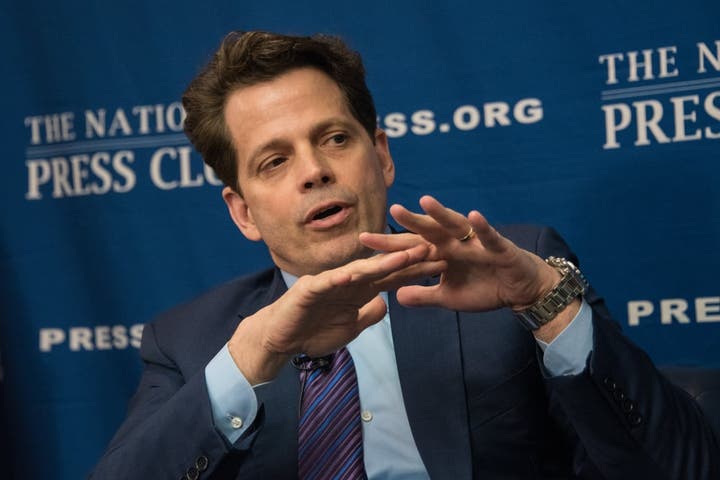
In a significant development within the financial sector, Anthony Scaramucci, the founder of SkyBridge Capital, emphasized the importance of JPMorgan Chase & Co.’s recent decision to offer a Bitcoin-backed bond. Scaramucci lauded this move on social media, expressing his disbelief that its magnitude has not garnered more attention. He pointed out the substantial implications of JPMorgan’s entry into the Bitcoin arena, stating, “I don’t think people are fully understanding how huge it is that JP Morgan is now offering a Bitcoin back Bond.”
This announcement follows JPMorgan’s filing to issue structured notes linked to the price movements of the iShares Bitcoin Trust ETF, known as IBIT. According to the Securities and Exchange Commission (SEC) filing, the structured notes are tailored for investors who desire an uncapped return of 1.50 times any appreciation in the fund’s value upon maturity. There is also an option for an early exit if the IBIT trades at or surpasses a predetermined price by December 2026.
Structured notes, blending features of debt and derivatives, provide a unique financial product that appeals to various investor appetites. IBIT, at present, stands out as the largest cryptocurrency-based fund with assets exceeding $67 billion, reflecting growing market interest and investor confidence in cryptocurrency investments.
Despite Scaramucci’s enthusiasm, not every observer shares his view. An X user named Eduardo contested the characterization of the offering as a Bitcoin-backed bond, arguing instead that it qualifies as a “Bitcoin-beta note” which incorporates hedging strategies.
Interestingly, JPMorgan CEO Jamie Dimon, who has been critical of Bitcoin in the past—famously describing it as a “pet rock”—has shown some openness towards clients’ digital asset investments. Recently, Dimon acknowledged the legitimacy of cryptocurrencies, blockchain technology, and stablecoins, indicating a shift in the bank’s attitude towards digital assets.
As the financial landscape evolves, Scaramucci’s remarks highlight a pivotal moment in the intersection of traditional banking and cryptocurrency. This development invites further discussion about the future of digital assets and their role in conventional investment strategies.