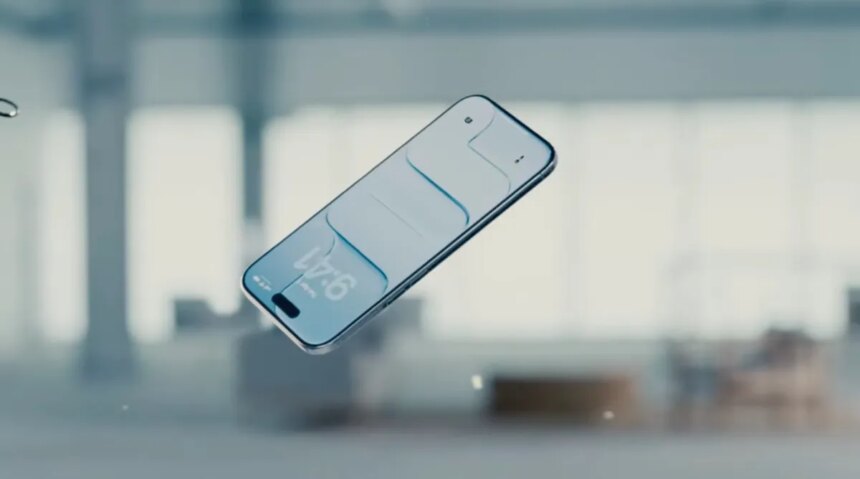
Apple has rolled out its latest update, iOS 26.2, featuring an innovative tool designed to adjust the transparency of the Lock Screen’s clock. This addition comes on the heels of user feedback regarding the previous release, which introduced a slider for controlling the opacity of various Liquid Glass elements throughout the operating system. Users expressed concerns that the transparency adjustments compromised readability, making it challenging to discern critical information on their devices.
Initially launched with iOS 26, the Liquid Glass design paradigm introduced a modern aesthetic to Apple devices, rendering interface elements such as buttons, sliders, and notifications semi-transparent and light-reflective, akin to glass. While the aim of this redesign was to modernize Apple’s operating systems and potentially pave the way for future AI smart glasses, reactions to the changes have been mixed. Many users found that heightened transparency adversely affected their ability to read notifications and other important details, such as track names on Apple Music.
In response to this criticism, Apple first introduced a Liquid Glass tool in iOS 26.1, allowing users to revert to a more frosted appearance, should they prefer. The recent Glance feature for the Lock Screen clock reflects a continued effort to provide customization options that allow individuals to tailor their experience based on personal preference, rather than enforcing a one-size-fits-all design.
The timing of this adjustment is particularly noteworthy. Earlier this month, it was revealed that Alan Dye, the design executive responsible for the Liquid Glass aesthetic, would be departing from Apple to join Meta. Although his exit does not appear to be the result of controversy, Apple has appointed seasoned designer Stephen Lemay as his successor. Lemay’s background in interface and interaction design positions him as a suitable candidate to address the concerns surrounding the Liquid Glass initiative.
Beyond the Liquid Glass enhancements, iOS 26.2 introduces several new features that promise to improve user functionality. Users can now generate AirDrop codes that enable sharing with individuals not saved in their contacts for a temporary period of 30 days, an enhancement especially useful in collaborative settings. Furthermore, Reminders now support alarm functionality, Apple News has introduced a new Following tab alongside navigation updates, and Apple Music allows users to access offline lyrics. The Podcasts app has also seen significant upgrades, including AI-generated chapters and a feature linking to other shows.
Additionally, Apple Watch users will benefit from a newly incorporated Sleep Score feature, which evaluates sleep quality and goal attainment.
In conjunction with these user-centric updates, Apple has issued critical security patches across its product line, including iPhones, iPads, Macs, Apple TVs, and Apple Watches, aimed at addressing vulnerabilities identified in an active hacking campaign. This focus on security demonstrates Apple’s ongoing commitment to safeguarding user data while enhancing overall device functionality.