Stock markets across Asia have shown signs of recovery following several days of significant downturns influenced by escalating tensions in the Middle East. South Korea’s KOSPI, which experienced a historic decline of 12% on Tuesday, rebounded impressively on Thursday with a surge of nearly 10%. Japan’s Nikkei index also recorded gains, rising by 1.9%. The MSCI Asia-Pacific index, excluding Japan, saw an increase of 2.7%, signaling restored investor confidence in the region.
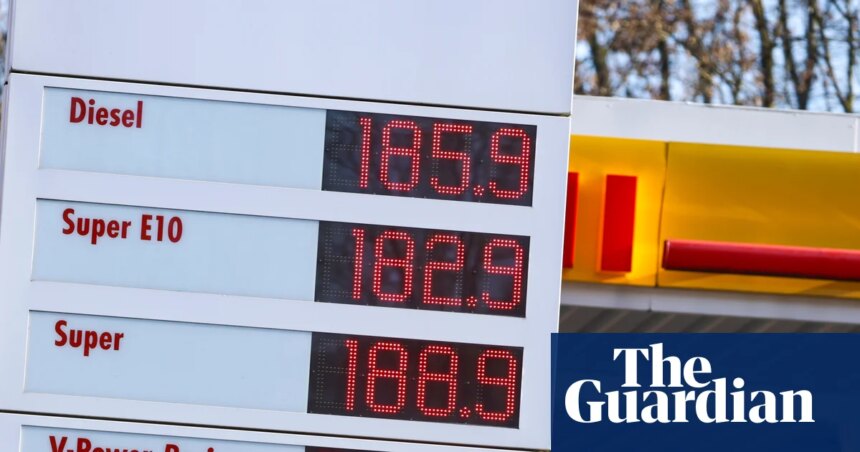
In contrast to the stock market recovery, oil and gas prices have continued their upward trajectory amidst ongoing disruptions in supply. Brent crude oil prices spiked by 3.3%, reaching $84 per barrel, following a report from Iran’s Tasnim news agency that a US oil tanker in the northern Persian Gulf had been targeted by a missile fired by Iranian forces. Gas prices are also on the rise; UK gas prices saw an increase of nearly 1%, while futures for natural gas in Europe climbed by 2%.
Qatar, which stands as the Gulf’s largest producer of liquefied natural gas, has taken drastic measures in response to the geopolitical turmoil. The country suspended operations at its gas facilities on Monday and subsequently declared force majeure on gas exports by Wednesday, which effectively releases it from its contractual duties to customers. According to sources cited by Reuters, it may take up to a month for production to return to normal levels.
In the Middle East, market reactions were more adverse, with the Abu Dhabi stock market dropping 2.6% and the Dubai exchange declining by 2.2%. Both exchanges have introduced a temporary 5% price limit on securities in an effort to stabilize trading. In London, the FTSE 100 index started off down by 0.3% but later gained momentum, climbing 60 points or approximately 0.5%.
Wizz Air has announced it is suspending flights to and from Israel, Dubai, Abu Dhabi, and Amman until March 15, warning that its annual profits may face a substantial hit of €50 million. The airline indicated that the tumultuous situation, along with rising jet fuel costs, has negatively influenced its financial outlook. Consequently, its estimated net profits are expected to fall outside the previously projected range of a €25 million loss to a €25 million profit, reflecting a 6% decline in its London-listed shares, with other airline stocks similarly affected.
In China, the government has directed its leading oil refiners to cease diesel and gasoline exports as the country grapples with disruptions to its crude supply chain. According to Bloomberg, officials from China’s National Development and Reform Commission have engaged refinery leaders, emphasizing the immediate need for a halt on refined product shipments.
In South Korea, concerns have arisen regarding potential disruptions to semiconductor manufacturing materials due to the ongoing conflict between the US and Israel against Iran. A lawmaker from the ruling party noted that the war, now into its sixth day, could negatively impact South Korea’s chip industry, which provides about two-thirds of global memory chip supply. Following discussions with executives from major companies like Samsung Electronics, the lawmaker highlighted fears over rising energy costs and inevitable price increases due to prolonged instability.
Market analysts are observing a complex geopolitical landscape. Stephen Innes, managing partner at SPI Asset Management, conveyed that the situation remains volatile. He noted that while intelligence reports suggest Iran’s conventional military capacity is waning due to significant losses, economic data from the US—such as a robust ADP jobs report and increased service sector activity—has started to positively influence market sentiment.
Amidst this turbulent backdrop, another catalyst for the rise in Asian markets stems from China’s announcement of a five-year plan aimed at accelerating scientific advancements and integrating artificial intelligence throughout its industrial sectors. This proactive strategy seems to be resonating well with investors as they reevaluate market conditions in light of the ongoing global challenges.