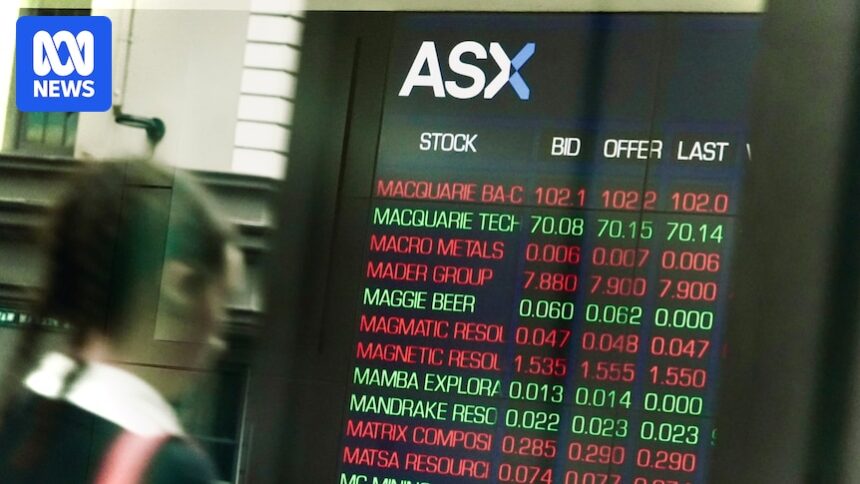
In an unprecedented series of events, the Australian Securities Exchange (ASX) is set to implement a new automated technology to settle share trades, marking a significant moment as Helen Lofthouse prepares to depart from her role as CEO. This pivotal change comes amid a backdrop of past technological failures, management turmoil, and criticism from investors, all of which have cast a long shadow over the organization.
The forthcoming launch of this technology in April follows a tumultuous decade for the ASX. A plethora of technology malfunctions, unplanned outages, and hefty financial losses, amounting to hundreds of millions of dollars, have severely impaired the exchange’s reputation. Lofthouse herself has had her tenure marred by controversy, further complicated by the recent abrupt departure of CSL’s CEO, Paul McKenzie. This unexpected announcement came after trading hours, but was compounded by confusion surrounding an extended trading period, resulting in a swift decline in CSL shares when trading resumed. Discrepancies in reported percentages of the falls added to the chaos, leaving both investors and the exchange in disarray.
By the time Lofthouse officially exits in May, the new systems will have been operational for only a few weeks, with any initial issues likely falling into the hands of her successor. The ASX, once a global pioneer in stock exchange operations, has sadly become synonymous with technical failures over the past decade.
The organization underwent significant transformation beginning in the 1980s, evolving from a loose collection of state-based exchanges into a demutualized entity that was listed on its own platform by the late 1990s. However, the recent years have seen it subjected to various regulatory investigations and threats that could strip it of its monopoly on the market.
Its troubles can be traced back to 2015, when it became apparent that the ASX’s then-existing settlement systems could not adequately handle increasing trade volumes and complexity. In a bid to modernize, the ASX embarked on an ambitious project to replace its aging CHESS system with blockchain technology, a move that initially generated excitement. However, insiders soon reported that the ambitious three-year timeline was unrealistic and came with a lack of coherent planning regarding the broader ecosystem of service providers reliant on ASX systems.
The failure of the blockchain initiative culminated in a $250 million write-off after numerous delays and internal disputes led to its abandonment at the end of 2022. This left brokers and investment firms that had invested in aligning their systems with the now-defunct project feeling duped and frustrated.
Regulatory authorities, including the Australian Securities and Investments Commission (ASIC), have expressed their discontent with the ASX’s performance. ASIC’s public criticisms of the exchange’s bungled projects and deteriorating technological infrastructure have made it clear that significant changes are necessary. Following a scathing independent review, ASIC officials did not shy away from publicly denouncing the ASX’s shortcomings, calling the situation “unsatisfactory” and indicative of severe deficiencies in project delivery.
Despite continuous efforts to address the myriad of issues, under Lofthouse’s leadership, little change seemed to materialize. With the ASX still grappling with its outdated system and frequent outages, regulatory scrutiny has intensified. The pressure on the exchange was further amplified when a significant error occurred in late 2022, involving a mix-up between TPG Telecom and a similarly named foreign private entity. This mishap led to a dramatic loss in market value for TPG Telecom, as investors scrambled to understand the situation, exacerbated by the ASX’s slow response to rectify the confusion.
As the new automated settlement system becomes operational, the next chapter for the ASX will be critical. Lofthouse’s successor will have to navigate a challenging landscape of rebuilding investor confidence while ensuring the efficiency and reliability of Australia’s critical market infrastructure. With the atmosphere fraught with uncertainty, the ASX stands at a crossroads, confronted by the weight of its past failures and the pressing need for reform.