As the banking sector navigates the rapidly evolving landscape of financial technology (fintech), significant concerns are emerging regarding the applications for national trust charters from various fintech and crypto firms. These firms are seeking to leverage national trust charters to gain access to banking privileges, potentially without adhering to the full spectrum of regulations or deposit insurance protections that traditional banks face.
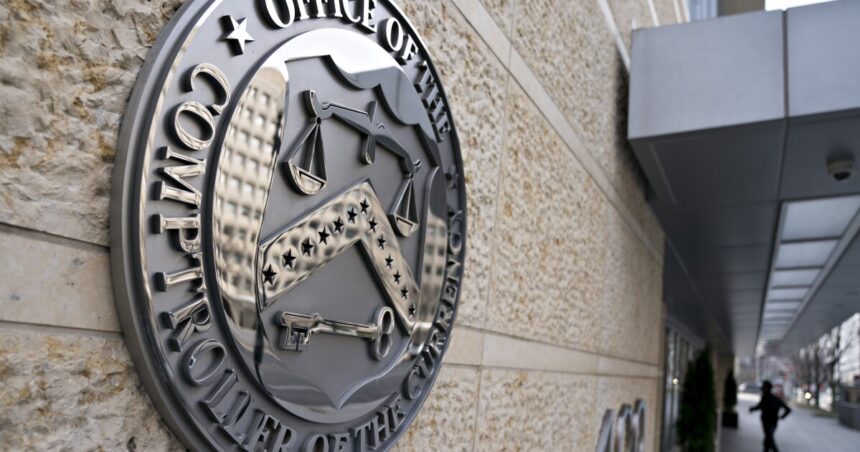
Currently, the Office of the Comptroller of the Currency (OCC) is assessing applications from several companies in the cryptocurrency space, including well-known entities such as Coinbase, Circle, and Ripple. However, established banking trade groups are raising alarms about whether these applications align with the statutory and regulatory definitions associated with trust charters.
A spokesperson within the banking industry expressed apprehension over the pace and transparency of the OCC’s decision-making process. They emphasized the need for clarity regarding the business activities of these fintech firms before any final decisions are made. The spokesperson cited a lack of recent actions from the OCC, stating, “If they approve one or all of these charters, we will review what information is available,” highlighting a desire for a more robust understanding of the firms’ operational frameworks.
Historically, trust companies have played a specialized role in financial services, primarily offering custodial services such as trust and estate management. However, an interpretive letter issued by the OCC in 2021, which expanded the scope of operations for national trust banks, has opened new avenues for these firms. The letter permitted national trust banks to engage in related noncustodial businesses, thus inviting fintech companies to apply for trust charters.
Despite the potential benefits of this expanded access, critics assert that granting national trust charters to fintech firms may skew competitive dynamics within the financial sector. These critics argue that such moves afford these companies advantages typically reserved for traditional banks, including the ability to take deposits without facing the same strict regulatory oversight or Federal Deposit Insurance Corporation (FDIC) protections.
Concerns specifically emerge around the structure of stablecoin issuance by these firms. An industry analyst emphasized the necessity of cautious evaluation regarding how stablecoin activities align with existing banking regulations, particularly the Federal Deposit Insurance Act. The analyst warned that the current structure of trust companies may not offer sufficient safeguards to operate in a manner equivalent to fully insured depository institutions.
In response to these developments, several banking organizations, including the American Bankers Association, have urged the OCC to halt its reviews of these charter applications until a comprehensive evaluation of their alignment with the intended purposes of national trust charters is conducted. The Bank Policy Institute echoed similar sentiments, contending that apparent intentions to conduct deposit-taking activities should warrant a higher regulatory standard.
In their letters, these organizations are advocating for a potential classification of fintech applications as seeking a full national bank charter, which would necessitate maintaining deposit insurance with the FDIC and undergoing Federal Reserve approval to operate as bank holding companies.
Overall, while traditional banks are not opposed to innovation or the connections of fintech to the global economy, they stress the importance of regulatory parity and caution against the risk profiles that specialized, narrowly focused institutions may introduce. The ongoing deliberations within the OCC will be pivotal in determining how far fintech firms can extend their operations using trust charters, possibly reshaping the landscape of the banking sector as they converge with the digital finance realm.