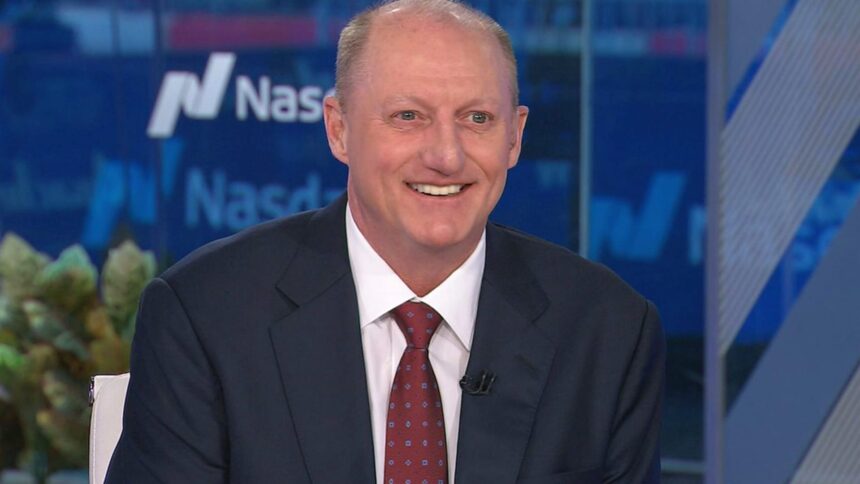
In a significant announcement made on March 5 during an appearance on CNBC’s “Squawk Box,” Greg Abel, the newly appointed CEO of Berkshire Hathaway, revealed that the company will resume share repurchases. This marks a notable turn in policy for Berkshire, which has not engaged in stock buybacks since the second quarter of 2024.
The decision aligns with a broader trend among major corporations, especially those within the S&P 500. In 2025, these companies collectively spent approximately $1 trillion on share buybacks, representing an increase from a record $942 billion in 2024. This acceleration in buyback activity indicates a shift in how companies are returning cash to shareholders. For the fifth consecutive year, the amount spent on buybacks surpassed cash dividends, according to investment research firm Morningstar.
Buybacks are often promoted as a method for companies to return excess cash to shareholders. According to Rob Leiphart, a certified financial planner and vice president of financial planning at RV Capital Management, buyback programs can enhance the attractiveness of a company’s stock, particularly when conducted under favorable conditions. However, he advises potential investors to conduct their own diligence before acting on news of buybacks, warning that some firms might utilize these programs as a means to artificially bolster short-term performance metrics.
The mechanics of stock buybacks are relatively straightforward. Companies with substantial free cash flow—capital remaining after covering operational costs—can channel these funds toward various avenues, including research and development, acquisitions, or returning cash to shareholders. In recent years, firms have increasingly opted for share repurchase programs over traditional dividend payments. For instance, tech giants like Apple and Alphabet have both initiated multi-billion-dollar repurchase programs in addition to maintaining regular dividends.
Repurchasing shares effectively reduces the number of outstanding shares in the market, thereby increasing the ownership stake for existing shareholders and enhancing earnings per share. This can render the stock more appealing to potential investors. However, this practice also raises concerns among analysts that executives may prioritize short-term stock price increases over long-term value creation.
When a company announces a buyback, the market often perceives it as a positive indicator of financial health. David Sekera, chief U.S. market strategist at Morningstar, explained that buybacks can signal that a company has generated excess cash flow beyond what it needs for internal operations. He emphasized that the timing of the buybacks matters; purchasing shares while they are undervalued can be beneficial, while buying at inflated prices is detrimental.
Abel noted that Berkshire’s approach to share repurchases will be stringent, stating that the company will buy back shares only when the repurchase price falls below its intrinsic value, which the firm assesses conservatively.
Financial experts recommend that investors consider buyback announcements as one element among many in assessing a company’s overall viability. Factors such as product market leadership, the tenure of corporate leadership, and the company’s growth prospects should also be factored into investment decisions. With the dynamism of the market, consulting with a trusted financial advisor is advised to navigate these developments effectively.