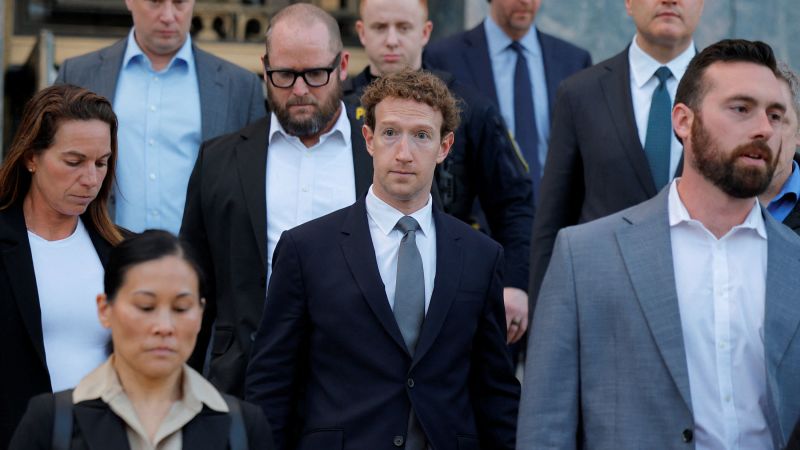
In a landmark trial in Los Angeles, Meta CEO Mark Zuckerberg has taken the stand to address allegations that social media, particularly platforms like Instagram, harms the mental health of young users. This testimony marks a significant moment, occurring over four years after whistleblower Frances Haugen leaked internal documents revealing that the company was aware of potential dangers linked to its platforms.
The courtroom has been presented with internal documents suggesting that Meta has long understood the prevalence of preteen users on its apps, aimed to keep users engaged for longer periods, and failed to adequately heed expert advice aimed at enhancing safety measures. Meta, however, contests that the documents are outdated and selectively presented.
As the trial unfolds, many observers are drawing parallels between the current litigation against tech companies and the historic lawsuits against the tobacco industry in the 1990s. These earlier trials led to increased public scrutiny and changes in behavior related to tobacco use. Legal experts suggest that similar outcomes may arise from the ongoing social media trials, potentially reshaping how these platforms operate.
Central to the Los Angeles trial are the claims from Kaley, a 20-year-old who alleges that social media’s addictive design had detrimental effects on her mental health, resulting in anxiety and depression. Meta and YouTube, both defendants in the suit, have denied these allegations, with TikTok and Snap settling prior to the trial. Instagram’s chief, Adam Mosseri, indicated during his testimony that heavy social media use by teens could be seen as “problematic,” though he stopped short of labeling it as clinical addiction.
The case is being viewed as a “bellwether” for numerous other lawsuits filed against tech giants. With over 1,500 similar cases pending, the outcome could influence their resolution. Additionally, Meta faces another trial in New Mexico regarding claims of enabling child sexual exploitation on its platforms, and other lawsuits by school districts are expected to follow.
Similarities have been noted between the defense strategies of tech companies today and those of cigarette manufacturers in the past. John Uustal, a seasoned litigator against tobacco firms, remarked upon the reluctance of these companies to admit their products are addictive. While acknowledging that social media has its benefits, some experts advocate for the introduction of warning labels akin to those required for tobacco products.
Kaley’s legal team is pursuing a unique approach by focusing on the harmful design aspects of social media, arguing that their client should not be held accountable for the content she viewed. They aim to hold these platforms responsible for creating an environment that fosters addiction among younger users.
In response to growing scrutiny and ongoing litigation, Meta and others have announced improvements aimed at user safety. These include implementing parental control tools and privacy settings for younger users, but critics argue these measures place undue responsibility on families to navigate the risks associated with online activities.
As the trial progresses, the jury will soon hear from lawyers representing Meta and YouTube. The outcome could set significant precedents for future cases involving tech companies. Depending on how the jury rules, the verdict might either bolster or weaken the legal strategies of plaintiffs and defendants in other ongoing matters.
The nuances of Kaley’s case could complicate the jury’s deliberation, as Meta contends that her mental health issues were influenced more by her upbringing than by her social media use. In contrast, her lawyers assert that her struggles are indicative of the platforms’ obligations to protect vulnerable users.
As the trial continues, the debate surrounding the accountability of social media companies intensifies, with many advocating for systematic changes to ensure the safety of young users in an increasingly digital landscape. The outcomes of these proceedings could lead to substantial shifts in how social media is regulated and understood in society.