Private investment firms catering to ultra-wealthy individuals concluded 2025 with strategic equity investments that spanned various sectors, including airline stocks and cryptocurrency exchange-traded funds, as revealed in a comprehensive analysis of fourth-quarter securities filings by CNBC.
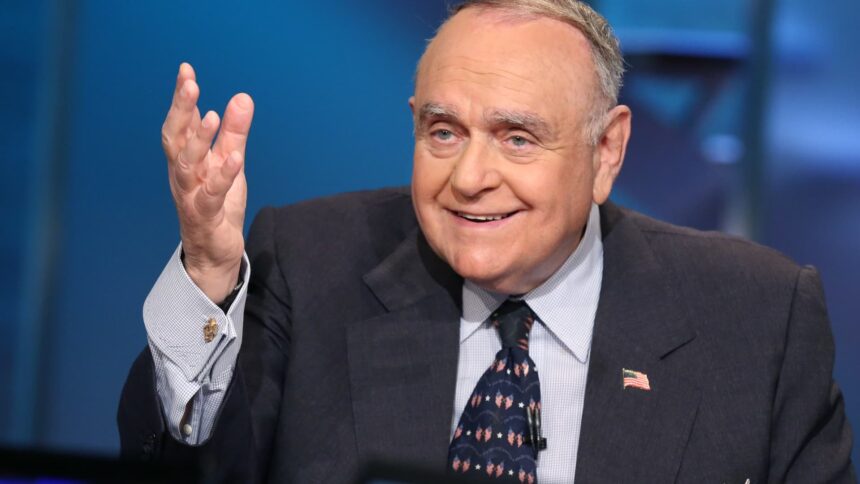
Among the noteworthy actors in this investment landscape is Leon Cooperman, whose family office, Omega Advisors, recently disclosed an increased stake in Manchester United, valued at approximately $46.5 million. Fans of the club can breathe a sigh of relief, given that Cooperman’s 5.2% stake is classified as a passive investment, quelling fears of a takeover by the hedge fund billionaire.
However, Cooperman’s most significant move in the last quarter wasn’t Manchester United; rather, it involved acquiring over $375 million worth of shares in mortgage lender Rocket Companies, elevating this position to the firm’s largest holding, now worth nearly $407 million.
Other high-profile investors also reported striking moves in their portfolios. David Tepper’s Appaloosa tripled its investment in Micron Technology, bringing its holdings to $428.1 million. After experiencing a surge of nearly 50% since the beginning of 2026, Micron has emerged as Tepper’s top investment, benefiting from its role in producing memory chips that support artificial intelligence data centers. Similarly, Stanley Druckenmiller’s Duquesne Family Office made headlines by initiating a position in Bloom Energy, a fuel-cell company that has doubled in value this year.
Despite some success in traditional sectors, investments in cryptocurrency have proven to be less favorable. The Walton family’s WIT LLC earmarked $4 million for the iShares Bitcoin Trust ETF, which has seen a decline of 21% year-to-date. Additionally, Alan Parker’s Kemnay Advisory Services boosted its stake in Coinbase by nearly 44%, yet shares of the cryptocurrency exchange have fallen by 18% since the year’s outset.
The fourth-quarter filings also revealed contrasting strategies among major investors regarding their allocations in the so-called “Magnificent Seven” tech stocks. For example, the Duquesne Family Office increased its Amazon holdings by 69% to about $170 million while simultaneously exiting its position in Meta. In contrast, Longbow SA, an investment firm for the Rausing family, reduced its stakes in Amazon, Nvidia, Microsoft, Apple, Alphabet, and Meta.
Ray Dalio’s Marino Management took a decidedly cautious route. The firm disclosed a substantial $438.5 million position in the SPDR Gold Trust, which now constitutes nearly 90% of its portfolio. Dalio has consistently expressed skepticism about an impending AI bubble and the potential risks of capital conflicts, urging investors to view gold less as a fluctuating asset and more as a crucial component of a well-diversified portfolio.
In summary, while major investment firms are navigating an evolving market landscape with varied approaches, the overall sentiment reflects a blend of opportunism in high-growth sectors and caution in more volatile areas like cryptocurrency. As the year progresses, the strategies deployed by these ultra-wealthy investors will likely continue to shape market dynamics.