The cryptocurrency market has recently experienced a significant downturn, with Bitcoin, Ethereum, and numerous smaller digital currencies witnessing steep declines over the past month. Fears of an impending crash have heightened anxieties among traders, especially as Bitcoin’s price has fallen below the critical psychological threshold of $100,000. This decline has had a ripple effect, dragging down Ethereum and other prominent cryptocurrencies, despite indications that liquidity may be increasing in the market.
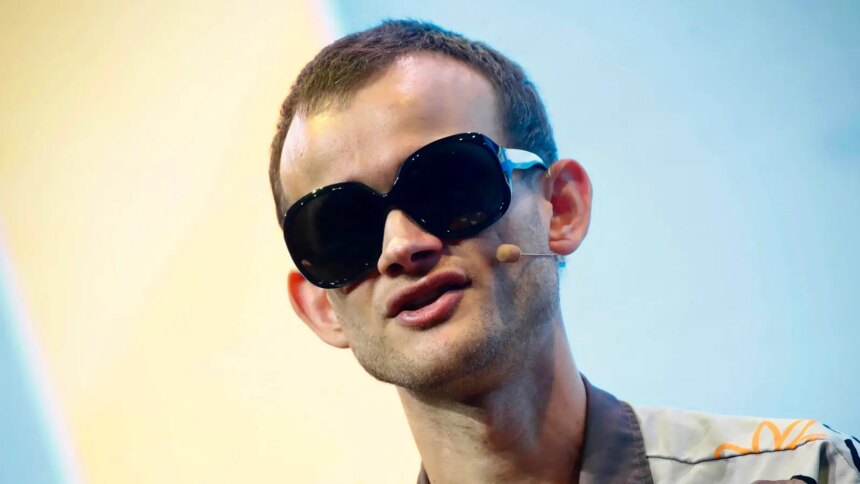
In light of these developments, a looming concern is the threat posed by advancements in quantum computing. Vitalik Buterin, the cofounder of Ethereum, has raised alarms about potential vulnerabilities in the encryption methods underpinning cryptocurrencies. Speaking at the Buenos Aires Devconnect conference, Buterin stated, “Elliptic curves are going to die,” highlighting the risks to elliptic curve cryptography, a foundational element of many cryptocurrencies, due to the capabilities of quantum computers.
The dialogue around quantum computing has intensified following announcements from major tech companies. Google recently claimed a breakthrough in the field, while Microsoft has unveiled a quantum chip, marking significant progress. This rapid advancement has prompted experts to reassess the risks to cryptocurrencies, with quantum researcher Scott Aaronson suggesting that a fault-tolerant quantum computer capable of executing Shor’s algorithm could exist before the next U.S. presidential election in 2028. This algorithm poses a direct threat to the encryption securing cryptocurrencies like Bitcoin and Ethereum.
The urgency of the situation has not gone unnoticed by the investment community. Crypto investor Nic Carter expressed a heightened sense of urgency on social media, emphasizing the imminent nature of the quantum threat. Meanwhile, Alex Pruden, the CEO of a quantum computing risk assessment firm, warned that “quantum computers at sufficient scale will break crypto at the most fundamental level imaginable,” calling for serious preparations to address these potential challenges.
Additionally, Bitcoin developers have been advised to strategize for a post-quantum cryptocurrency landscape. Speaking at the Web Summit in Lisbon, Théau Peronnin, CEO of Alice & Bob, advised developers to be ready for the realities that may emerge by 2030. “They need to fork [move to a stronger blockchain] by 2030, basically,” he cautioned, indicating that developers have a window of opportunity but must take proactive measures.
As the cryptocurrency market grapples with these multifaceted challenges, the volatility and uncertainty surrounding Bitcoin and Ethereum remain pronounced. Traders and investors alike are left to navigate not only the repercussions of current price declines but also the future implications of quantum computing on the integrity of digital currencies.