Bitcoin fell on Thursday, reflecting growing anxiety over escalating geopolitical tensions between the United States and Iran. The world’s leading cryptocurrency hovered just above the $67,000 mark, marking a decline of approximately 1.6% over the previous 24 hours. This downturn occurred alongside a broader contraction in the cryptocurrency market, which saw the total global market capitalization decrease by the same percentage, settling at $2.38 trillion.
The pullback from risk-sensitive assets comes as investors express concerns over a potential military escalation in the Middle East. In recent sessions, both the US dollar and oil prices have seen gains, contributing to tighter financial conditions that typically exert pressure on assets like Bitcoin. Such cryptocurrencies usually struggle during periods of heightened macroeconomic uncertainty.
Reports indicate that the US has mobilized its largest concentration of air power in the Middle East since the 2003 invasion of Iraq, heightening fears that military action against Iran may be on the horizon. According to a senior US official cited by Reuters, key national security advisers have been instructed to ensure that all military assets are positioned by mid-March.
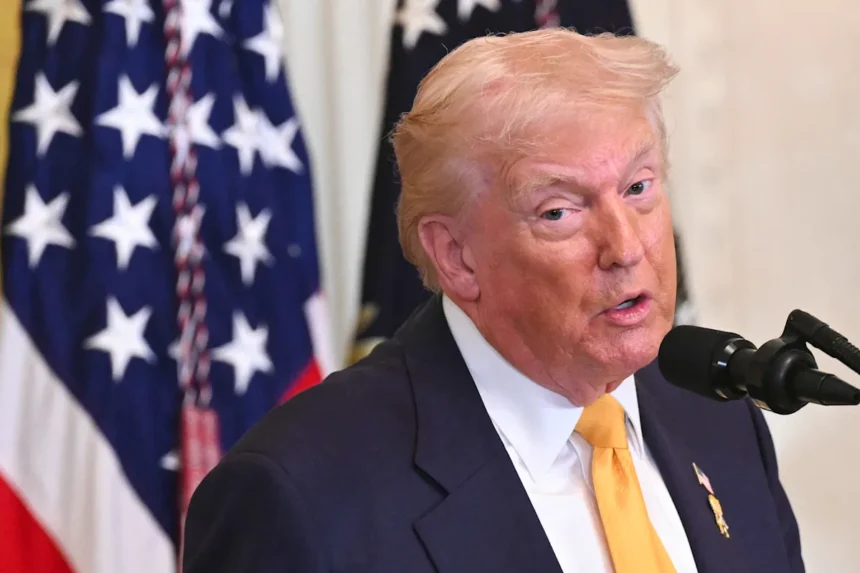
President Donald Trump has been adamant about demanding that Iran cease its nuclear program, threatening military action if an agreement is not reached. However, it is suggested that he has not yet made a definitive choice regarding whether to authorize any strikes.
As geopolitical tensions rise, Bitcoin is on track for a fifth consecutive weekly loss, a streak that would represent its longest decline in years and underscore the fragile sentiment across risk assets.
The consistent downward trend reflects ongoing selling pressure, as traders adopt a more cautious approach in light of safe-haven flows bolstering the US dollar and oil prices. Having sharply withdrawn from its October 2025 all-time high above $126,000, Bitcoin has now experienced a significant correction, falling nearly 50% from its peak.
While prices have stabilized in the mid-$60,000 range, weak momentum signals indicate that investors are hesitant to make aggressive moves until clearer indicators emerge regarding the macroeconomic environment and overall market risk appetite. Positioning in the derivatives market further suggests that traders are preparing for potential volatility in the near future.